Bedridden Patient Home Care Singapore: How to Choose the Right Domestic Helper
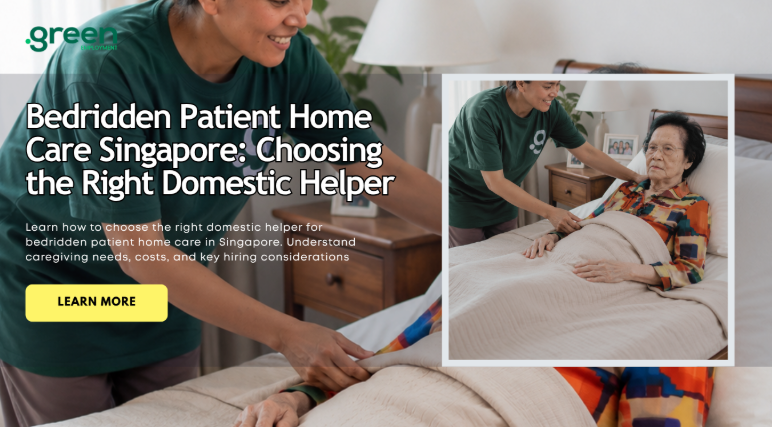
Caring for a bedridden for your loved one at home is not easy. It often starts with small daily help, such as feeding, cleaning, or moving the patient. Over time, these tasks can become harder to manage, especially when family members also have their own work, children, and other responsibilities.
When a family member needs regular help, many start looking for bedridden patient home care in Singapore. In these cases, a trained domestic helper can step in to handle daily routines, personal care, meal preparation, and mobility support while providing companionship. With the right choice, home care becomes more organized and less stressful for both the patient and the family.
Therefore, this guide explains what to look for before hiring a helper for bedridden care. It will help you understand the patient's needs, the helper's suitability, and the key questions to ask before making a decision.
When Bedridden Care at Home Starts Feeling Too Much
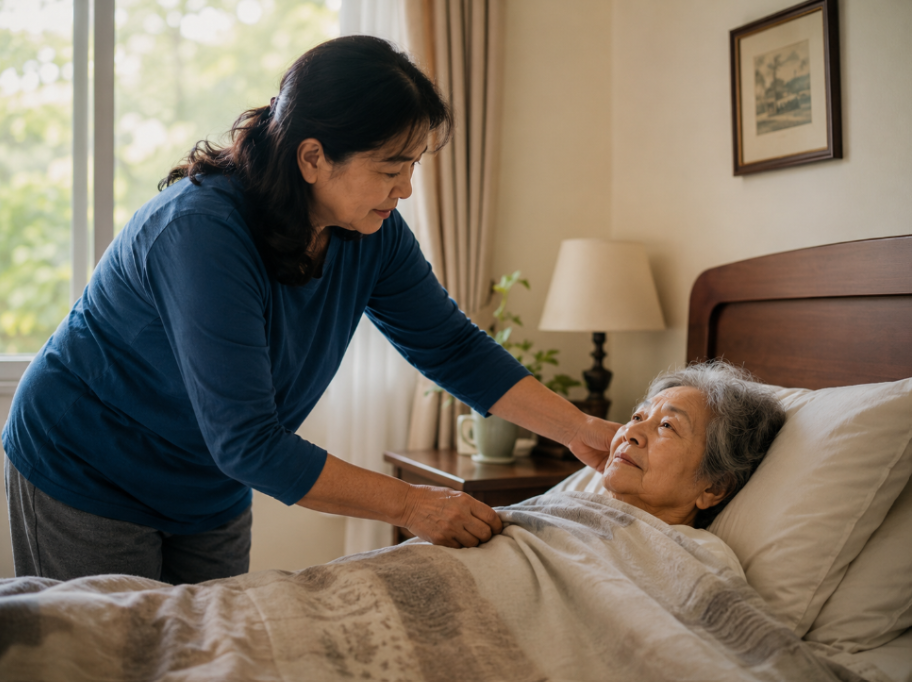
Family caregiver supporting a bedridden loved one at home
Image Disclaimer: The photos used in this article are for illustration purposes only.
Many families choose bedridden patient home care in Singapore because they want their loved one to stay in a familiar place. Being at home can feel more comfortable for the patient, especially when family members are close by. But when someone is bedridden, the care needed each day can become heavier than expected.
At first, the family may only need assistance with meals, medication reminders, or simple movement. Over time, the routine may include feeding, bathing, changing clothes, repositioning, and personal hygiene. These tasks take time, energy, and patience, especially when family members are also managing work and other responsibilities.
Getting extra support does not mean the family is stepping away. It means creating a care arrangement that is more manageable and safer for everyone. With the right domestic helper, families can share the daily care while still staying closely involved.
What a Bedridden Patient May Need Help With Every Day

Daily care support for a bedridden patient in a home setting
Image Disclaimer: The photos used in this article are for illustration purposes only.
Every patient has different care needs. Some may only need light daily support, while others may need closer assistance throughout the day. Before hiring a domestic helper, families should understand what kind of help is needed at home.
Common care tasks may include:
1. Feeding assistance
Some patients may need help eating meals, drinking water, or following regular meal routines.
2. Personal hygiene support
This may include washing, grooming, oral care, and keeping the patient clean and comfortable.
3. Bathing and changing clothes
A bedridden patient may need help with sponge baths, changing clothes, and maintaining daily cleanliness.
4. Medication reminders
A helper can remind the patient to take medication on time, based on the family's instructions.
5. Repositioning and mobility support
Many bedridden patients need help with movement throughout the day. This may include changing positions in bed for comfort, assisting with transfers between the bed and wheelchair, or providing support during medical appointments and daily routines. Proper assistance helps improve comfort and safety while reducing physical strain on both the patient and family member.
6. Appointment support
Some families may need the helper to assist during clinic visits or medical appointments.
When families understand their normal daily routine, it is easier to choose the right helper. It also helps the helper understand their responsibilities before starting their work.
Domestic Helper vs Professional Caregiver: What Is the Difference?
Sometimes, families are unsure whether to choose a domestic helper or a professional caregiver. Both can support a loved one at home, but their roles are different. The right choice depends on the patient's condition, daily care needs, and whether medical support is required.
Support Area | Domestic Helper | Caregiver |
Housekeeping | Yes | Yes, but secondary |
Meal preparation | Yes | Light cooking |
Companionship | Yes | Yes |
Medication reminders | Yes | Yes |
Feeding assistance | Yes | Yes |
Mobility support | Yes | Yes |
Wound care | No | Partial (only if allowed & trained) |
Home medical procedures | No | Partial (only if allowed & trained) |
Nursing care | No | Partial (only if allowed & trained) |
A caregiver focuses primarily on personal care and specialized support. A domestic helper assists with both household management and daily living support, making it a practical option for many families caring for a bedridden loved one.
7 Things to Look for When Choosing a Domestic Helper
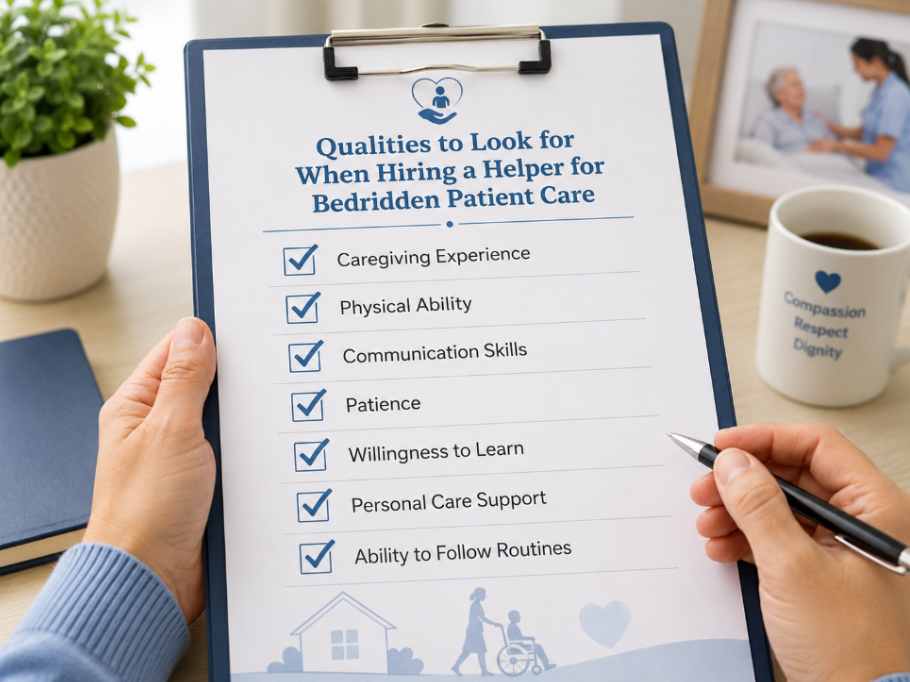
Family interviewing a domestic helper for caregiving support
Image Disclaimer: The photos used in this article are for illustration purposes only.
Choosing the right helper involves more than reviewing a biodata. Families should focus on the qualities that directly affect caregiving and household compatibility.
1. Previous Caregiving Experience
Ask about actual caregiving responsibilities rather than general housekeeping experience. A helper who has assisted elderly individuals or bedridden patients may already understand some of the daily routines involved.
2. Physical Ability
Bedridden patient care can involve assisting with movement, repositioning, feeding, and personal care. The helper should be physically capable of performing these tasks safely.
3. Communication Skills
Good communication helps reduce misunderstandings and improves coordination between the helper, patient, and family members. This becomes especially important when following daily care routines. Mandarin/Cantonese speaking helpers are available, check with your maid agency.
4. Patience and Compassion
Patients may require repetitive assistance throughout the day. A patient and compassionate helper can create a more comfortable and supportive environment.
5. Willingness to Learn
Not every helper will arrive with extensive caregiving experience. However, a willingness to learn and adapt often contributes significantly to long-term success.
6. Comfort With Personal Care Tasks
Families should discuss responsibilities such as bathing, feeding, dressing, and hygiene support openly during interviews. Clear expectations help prevent future misunderstandings.
7. Ability to Follow Routines
Consistency is important in home care. A helper who can follow schedules for meals, medication reminders, exercises, and personal care routines helps maintain stability.
Questions Families Should Ask Before Hiring

Family asking caregiving questions during a domestic helper interview
Image Disclaimer: The photos used in this article are for illustration purposes only.
Interviews provide an opportunity to understand whether a helper is suitable for your household. Besides reviewing work history, families should ask practical questions related to caregiving responsibilities.
Consider asking:
- Have you cared for a bedridden patient before?
- What caregiving tasks did you perform daily?
- Are you comfortable assisting with feeding and personal hygiene?
- How would you respond if the patient felt unwell?
- Are you willing to attend additional caregiving training?
- How do you handle stressful situations?
- What experience do you have working with elderly individuals?
The answers often reveal more about suitability than biodata alone.
Can a Domestic Helper Be Trained for Bedridden Patient Care?
Many families assume they need someone with extensive caregiving experience immediately. While experience is valuable, training and support also play a major role.
A helper who demonstrates patience, responsibility, and willingness to learn may develop strong caregiving skills over time. Families can provide guidance based on the patient's daily routine, while additional caregiving courses can help build confidence and practical knowledge.
The most successful caregiving arrangements often involve ongoing learning and communication between the helper and family members.
Understanding the Costs of Bedridden Patient Home Care Singapore

Family planning the costs of bedridden patient home care in Singapore
Image Disclaimer: The photos used in this article are for illustration purposes only.
Understanding both one-time and ongoing costs is essential to long-term care planning. The experience of the helper, the needs of the household, and the support services needed all affect the cost.
One-time costs may include the following:
• Agency fees
• Processing fees
• Insurance & security bond
Recurring costs typically include:
• Helper salary
• Monthly levy
• Food and accommodation
• Daily living expenses
• Additional caregiving training if required
Some families may qualify for support schemes or levy concessions depending on eligibility requirements. Understanding available assistance can help families plan more effectively.
Common Mistakes Families Make When Hiring for Bedridden Patient Care
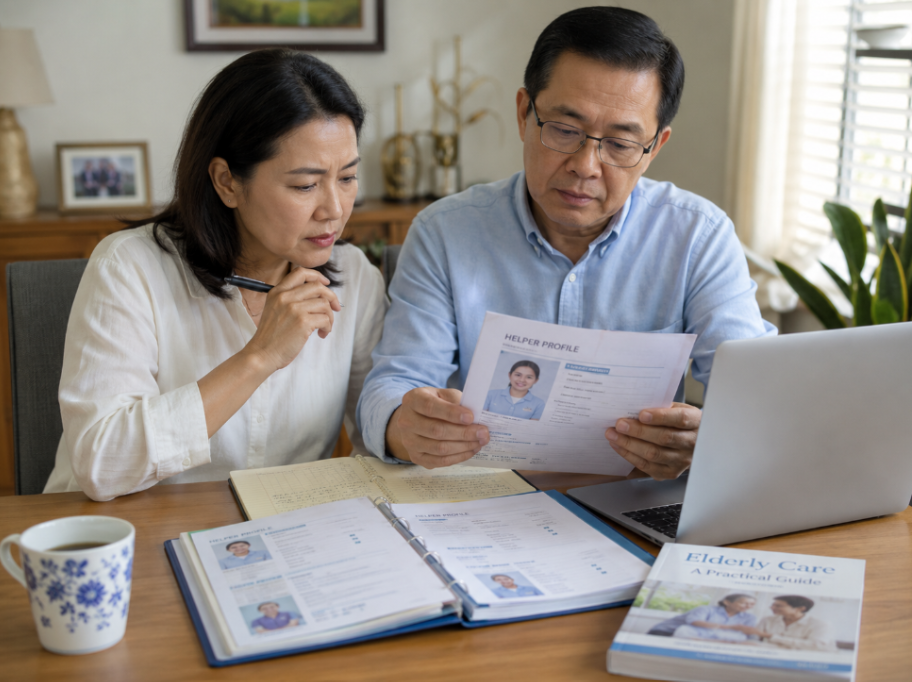
Family evaluating helper profiles for bedridden patient care
Image Disclaimer: The photos used in this article are for illustration purposes only.
When families need help urgently, it is easy to make a quick decision. However, the right helper should match the patient's care needs, not only be available fast.
1. Choosing based only on experience
Experience is important, but it should match the patient's actual needs. Ask what type of care the helper has provided before.
2. Rushing the interview
A short interview may miss important details. Take time to ask about feeding, hygiene support, mobility help, and daily routines.
3. Ignoring communication skills
Clear communication matters in bedridden care. The helper must understand instructions and update the family when needed.
4. Expecting medical care from a helper
A domestic helper is not a nurse. If the patient needs extensive wound care, injections, or clinical treatment, professional healthcare support may be needed.
5. Underestimating the physical demands
Bedridden care can be tiring. The helper should be physically able to assist with repositioning, transfers, and daily care tasks.
6. Not explaining the job clearly
Discuss the patient's routine, condition, and care needs before hiring. This helps prevent misunderstanding after the helper starts work.
Why Families Choose Green Employment for Home Care Support

Green Employment helper team showing friendly service and support in Singapore
Image Disclaimer: The photos used in this article are for illustration purposes only.
Green Employment helps families find suitable helper profiles for bedridden patient home care Singapore. Our team understands that every household has different caregiving needs, routines, and expectations.
We assist with candidate shortlisting, interview coordination, and understanding the hiring process. Whether you need support with feeding assistance, companionship, household management, or daily supervision, we help match families with suitable maid Singapore profiles.
Finding the right helper can make daily caregiving more manageable and provide greater peace of mind for the entire family.
Frequently Asked Questions (FAQs)
Q1: How to choose the right caregiver?
A: Choosing the right caregiver starts with understanding the patient's daily care needs. Families should assess communication skills, caregiving experience, physical ability, patience, and willingness to learn. It is also important to choose someone who can work comfortably with both the patient and family members while following daily care routines consistently.
Q2: How to care for bedridden elderly at home?
A: Caring for a bedridden elderly person at home usually involves assistance with feeding, personal hygiene, bathing, medication reminders, repositioning, and mobility support. Families should also monitor nutrition, hydration, skin condition, and overall well-being. Depending on the patient's condition, professional medical support may still be required alongside home care.
Q3: How much does it cost to hire a caregiver in Singapore?
A: The cost of hiring a caregiver in Singapore depends on the level of care required, qualifications, experience, and working hours. Professional caregivers generally cost more because they provide specialized support and medical-related care. Families should compare the patient's needs and long-term affordability before deciding on the most suitable care arrangement.
Q4: What is the difference between a caregiver and a domestic helper?
A: A caregiver focuses mainly on personal care and specialized support for an individual's well-being. A domestic helper primarily assists with household chores, meal preparation, companionship, and daily living support, although some helpers may also assist with caregiving duties. The right choice depends on the patient's condition and the level of support required at home.
Make the Right Care Decision Today
Hiring a maid in Singapore requires planning, budgeting, and compliance with Ministry of Manpower regulations. When you understand eligibility, costs, and responsibilities, the process can be smoother, and the risk of violating MOM regulations is lower. Clear, open communication and mutual respect help improve retention and performance among helpers.
Key Takeaways
Assess your household situation and helper hiring needs and requirements.
Prepare financially before hiring a helper.
Choose a reliable agency to support your hiring process.
Understand MOM regulations and requirements. If unsure, consult an employment agent from the Maid Agency.
Maintain clear communication and mutual respect with your helper.
If you are ready to begin hiring a maid in Singapore, speak with our team today. We support selection, documentation, and onboarding for your domestic helper in Singapore. Our professional and friendly recruitment consultants will guide you through every step to ease the anxiety of the hiring process and increase the success rate. Contact us now for a free consultation.
Effortless Hiring Process
.jpg)
Tell us what you're looking for, and we'll do the rest. We provide professional, friendly service with a quick response time.