Compassionate Maid for Bedridden Patient Care at Home

A Singapore maid assisting a bedridden elderly patient with daily care at home
Image Disclaimer: The photos used in this article are for illustration purposes only.
Caring for a bedridden loved one requires consistent routines, physical support, and close monitoring. You must handle daily tasks such as hygiene, feeding, repositioning, and health observation properly to prevent complications. Without the right support, many families find it difficult to manage these responsibilities alone.
In Singapore, many elderly individuals live with conditions such as stroke, paralysis, or severe illness. These conditions often lead to long-term immobility and full dependence on caregivers. While family members may not have the skills to handle lifting, hygiene care, and medical routines, a bedridden elderly care helper can assist in providing the support needed to maintain comfort and prevent any complications.
Why Bedridden Patient Care Requires Trained Support

Caregiver repositioning bedridden patient to prevent pressure injuries
Image Disclaimer: The photos used in this article are for illustration purposes only.
To avoid health problems, bedridden care requires constant attention. Without the right routines, pressure injuries, infections, and muscle stiffness can happen quickly. Furthermore, research has indicated that pressure injuries may develop within hours if repositioning is not performed consistently. This shows how important it is to have structured care all day.
Key risks without proper care include:
- Pressure injuries (bedsores) from lack of repositioning
- Infections due to poor hygiene management
- Infections due to poor hygiene management
Family caregivers often face physical strain when lifting or repositioning a patient. Incorrect handling increases the risk of injury for both the patient and caregiver. Emotional stress also builds when care demands continue without rest. A maid for bedridden patient care handles daily tasks safely and consistently, reducing these risks.
Responsibilities of a Bedridden Elderly Care Helper
A. Hygiene and Personal Care Support
A bedridden elderly care helper supports daily hygiene and personal care through the following:
- Sponge baths, oral care, and grooming
- Keeping skin clean and dry to prevent infections
- Maintaining dignity and comfort for the patient
B. Repositioning and Bedsore Preventiont
Repositioning is critical in preventing complications. The helper ensures:
- Turning the patient every 2–3 hours
- Checking for redness or early signs of pressure injuries
- Maintaining proper circulation and reducing long-term risks
C. Feeding and Hydration Support
Proper nutrition and hydration are essential for recovery. The helper:
- Assists with feeding in a safe sitting position
- Reduces choking risks during meals
- Monitors food and water intake
D. Diaper Changing and Toileting Care
A maid for changing diapers ensures proper hygiene through the following:
- Timely diaper changes
- >Thorough cleaning to prevent infections
- Maintaining patient comfort and dignity
How a Palliative Care Domestic Helper Supports Comfort and Dignity
A palliative care domestic helper focuses on improving comfort and quality of life through the following:
- Gentle positioning to reduce pain and discomfort
- Monitoring signs of distress or health changes
- Providing companionship and emotional reassurance
- Creating a calm and supportive environment
Benefits of Hiring a Maid for Bedridden Patient Care at Home
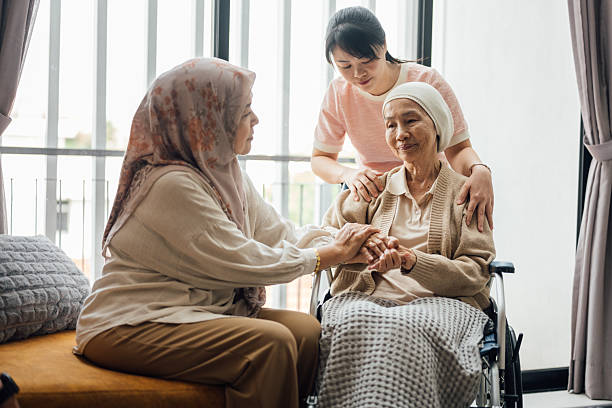
Family and caregivers supporting bedridden elderly at home
Image Disclaimer: The photos used in this article are for illustration purposes only.
Hiring a maid for bedridden patient care helps ensure consistent and structured daily support at home. With proper routines in place, families can better manage care needs while reducing health risks for their loved ones.
Key benefits include the following:
- Reduced risk of infections and pressure injuries
- Consistent daily care routines
- Lower caregiver stress and burnout
- Better overall patient comfort and recovery
Checklist: Is Your Loved One Ready for Bedridden Care Support?
- Unable to move independently
- Requires frequent repositioning
- Needs help with hygiene and feeding
- Showing signs of caregiver burnout in family
Common Risks in Bedridden Care and How to Prevent Them
Bedridden patients face several risks that require active management. Without proper care, these issues can develop quickly and affect recovery.
Common risks and prevention:
- Pressure injuries → prevented by regular repositioning
- Infections → prevented through proper hygiene
- Dehydration → managed through monitored intake
- Poor nutrition → improved with structured feeding routines
When You Should Hire a Bedridden Elderly Care Helper
You should consider hiring a helper when your loved one is no longer able to manage daily activities independently.
- Difficulty moving or repositioning
- Frequent discomfort or health decline
- Need for assistance with hygiene and feeding
Families should also act when caregiving becomes physically demanding. Lifting and repositioning require strength and proper technique. Without support, caregivers face injury and fatigue. Hiring a maid for bedridden patient care ensures safe and consistent assistance.
How to Choose the Right Maid for a Bedridden Patient
Choosing the right helper requires careful evaluation. Focus on experience in handling bedridden patients and hygiene routines. This ensures the helper understands daily care needs. Proper experience reduces risk during caregiving.
Communication is also important. The helper must understand instructions and interact respectfully with the patient. Discuss daily routines and expectations clearly before hiring. This ensures smoother adjustment and better care delivery.
Cost of Hiring a Maid for a Bedridden Patient in Singapore
Hiring a helper involves monthly and initial costs. Salary typically ranges from S$600 to S$850 based on experience. Employers also pay a levy, insurance, and agency fees. Total cost depends on the level of care required.
Compared to nursing homes, hiring a helper can be more cost-effective. Home care allows patients to stay in a familiar environment while receiving consistent support. This improves both comfort and cost management.
For a clearer understanding of the full hiring process, requirements, and costs, you can refer to our article The Ultimate Guide to Hiring a Helper in Singapore to make a more informed decision.
Daily Care Routine for Bedridden Patients at Home
Morning hygiene routine for a bedridden patient with caregiver support
Image Disclaimer: The photos used in this article are for illustration purposes only.
A structured daily routine helps maintain stability, prevent complications, and improve overall comfort. Below is a simple care plan followed by most caregivers.
Morning care routine
Start the day with essential hygiene and preparation to ensure comfort and cleanliness.
- Hygiene care such as sponge baths, oral care, and diaper changing
- Skin checks to detect early signs of pressure injuries
- Ensuring the patient feels clean, comfortable, and refreshed
Daytime care routine
Throughout the day, focus on maintaining nutrition, hydration, and mobility support.
- Manage feeding and ensure proper hydration
- Reposition the patient every 2–3 hours to prevent pressure injuries
- Monitor appetite, alertness, and overall condition
- Light exercises (if suitable) to reduce stiffness and improve circulation
Evening care routine
Prepare the patient for rest while ensuring comfort and safety overnight.
- Hygiene care and diaper changing before sleep
- Proper positioning to reduce discomfort and pressure
- Regular checks to prevent prolonged pressure on one area
Frequently Asked Questions (FAQ)
Q1: How to manage bedridden patients?
A: Follow a structured routine including hygiene, repositioning, feeding, and monitoring. Consistent care helps prevent complications and ensures patient comfort.
Q2: How to cheer up a bedridden person?
A: Provide regular interaction through conversation, music, or simple activities. Keeping the patient engaged helps reduce loneliness and supports emotional well-being.
Q3: How to help someone get out of bed when weak?
A: Use proper support techniques such as assisting from the side and guiding movement slowly. A trained helper ensures safe transfers and reduces the risk of falls or injury.
Q4: What activities are beneficial for bedbound patients?
A: Light activities such as stretching, hand exercises, music, or conversation help maintain mental and physical function. Regular engagement improves overall well-being.
Make the Right Care Decision Today
Hiring a maid in Singapore requires planning, budgeting, and compliance with Ministry of Manpower regulations. When you understand eligibility, costs, and responsibilities, the process can be smoother, and the risk of violating MOM regulations is lower. Clear open communication and mutual respect help improve retention and performance among helpers.
Key Takeaways
- Prepare financially before hiring a helper.
- Choose a reliable agency to support your hiring process.
- Understand MOM regulations and requirements. If unsure, consult an employment agent from Maid Agency.
- Maintain clear communication and mutual respect with your helper.
If you are ready to begin hiring a maid in Singapore, speak with our team today. We support selection, documentation, and onboarding for your domestic helper in Singapore. Our professional and friendly recruitment consultants will guide you through every step to ease the anxiety of the hiring process and increase the success rate. Contact us now for a free consultation.
Effortless Hiring Process
.jpg)
Tell us what you're looking for, and we'll do the rest. We provide professional, friendly service with a quick response time.