Mandarin-Speaking Maid for Elderly and Dialect Caregivers in Singapore
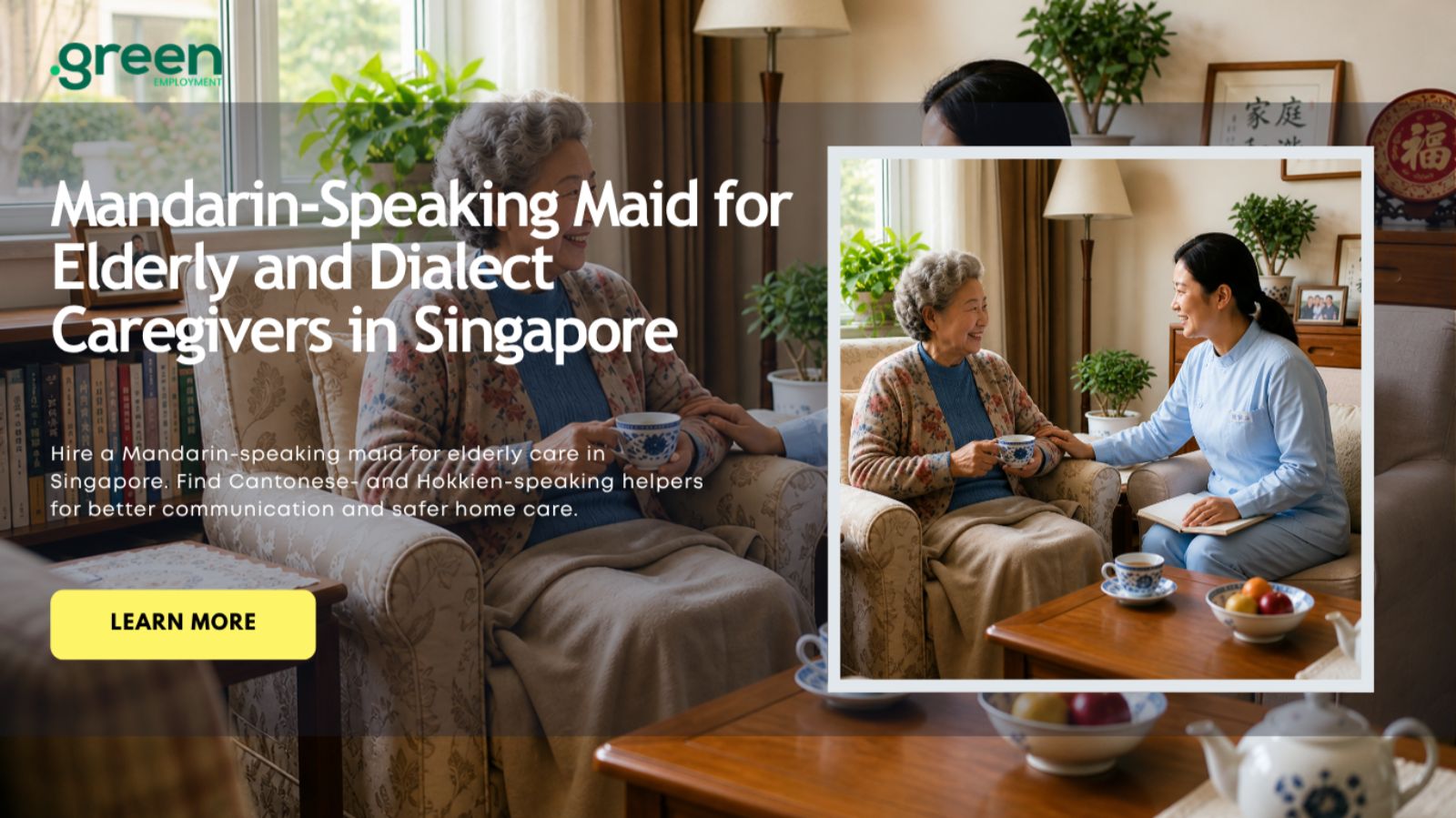
For many Singapore families, finding the right caregiver means more than ticking boxes on a checklist. It means finding someone your elderly parent can actually talk to—someone who understands not just the words, but the tone, the habit, the familiar way of expressing pain or worry.
Most seniors in Singapore are far more comfortable speaking Mandarin, Cantonese, or Hokkien than English. When a caregiver cannot understand these languages, small miscommunications build up quickly — missed medication, misread symptoms, routines that feel confusing or uncomfortable. A maid who speaks Chinese bridges that gap from day one, building trust and making daily care safer and more consistent.
Why Language Matching Matters in Elderly Care
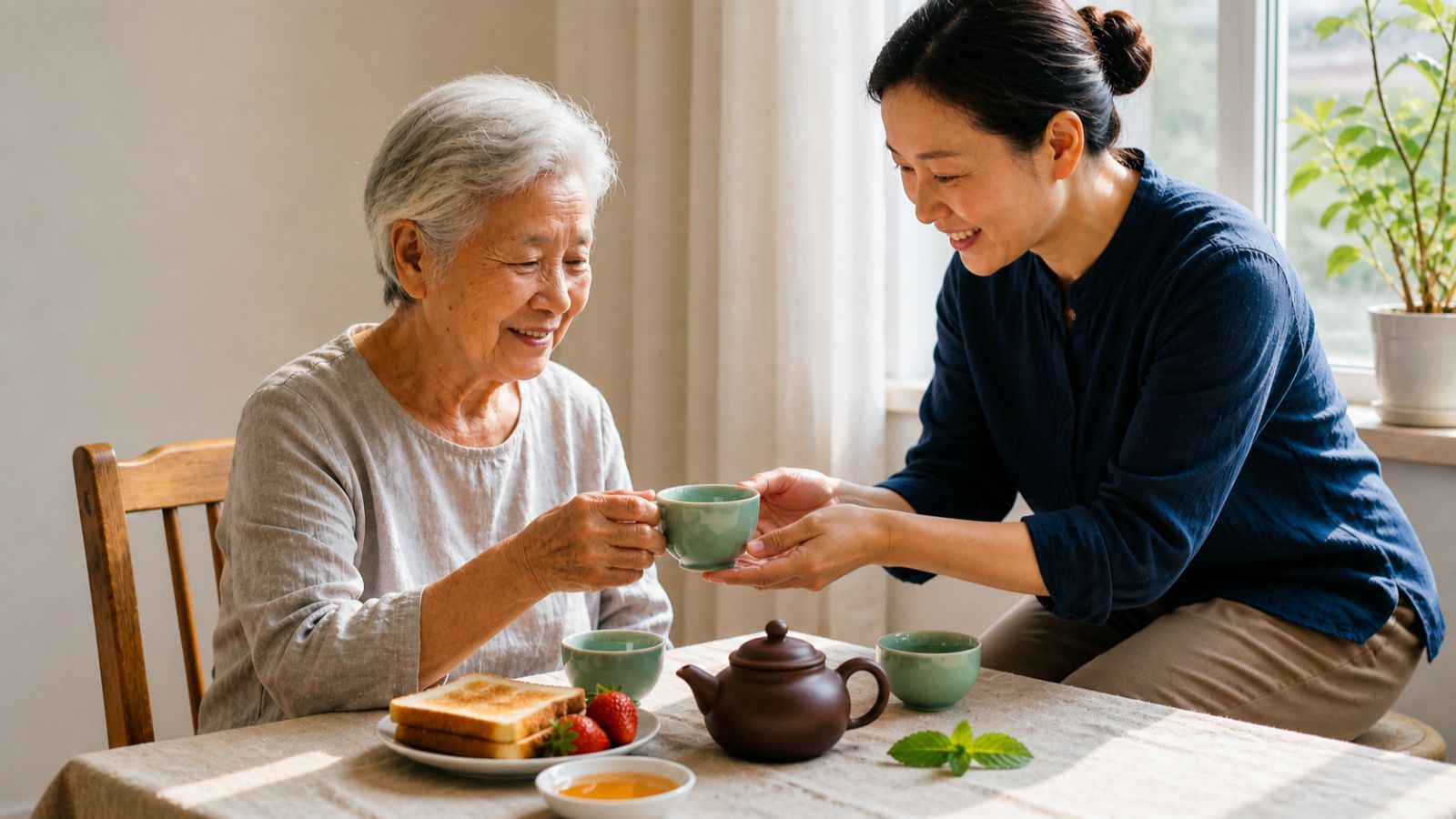
caregiver gently serving tea to an elderly woman at home
Image Disclaimer: The photos used in this article are for illustration purposes only.
Language is not just about conversation. In elderly care, it directly affects safety, cooperation, and emotional well-being.
When language doesn't match, these problems arise:
- Seniors struggle to describe pain, discomfort, or changes in how they feel
- Daily instructions need to be repeated, slowing routines and increasing frustration
- Medication schedules, meal preferences, and hygiene routines become harder to manage
- Seniors feel isolated, misunderstood, and less willing to cooperate
A caregiver who speaks your loved one's language removes these barriers—and creates a care environment built on clarity and comfort.
Types of Dialect-Speaking Caregivers Available in Singapore
Seniors have different language preferences depending on their background. Green Employment can help you find caregivers who speak the right language for your family.
Mandarin is the most widely understood Chinese language among Singapore seniors. A Mandarin-speaking maid for elderly care supports both daily caregiving tasks and emotional interaction—from medication reminders to mealtimes to gentle conversation throughout the day.
Cantonese is preferred by seniors from Cantonese-speaking backgrounds. A Cantonese-speaking domestic helper brings a level of familiarity that goes beyond words — tone, expression, and phrasing all feel natural, helping seniors feel at ease and communicate their needs more freely.
Hokkien remains common among older generations, particularly those who do not speak Mandarin or English comfortably. A Hokkien-speaking maid in Singapore ensures that hygiene care, feeding, and daily routines are communicated clearly — reducing resistance and improving cooperation.
Benefits of Hiring a Language-Matched Caregiver
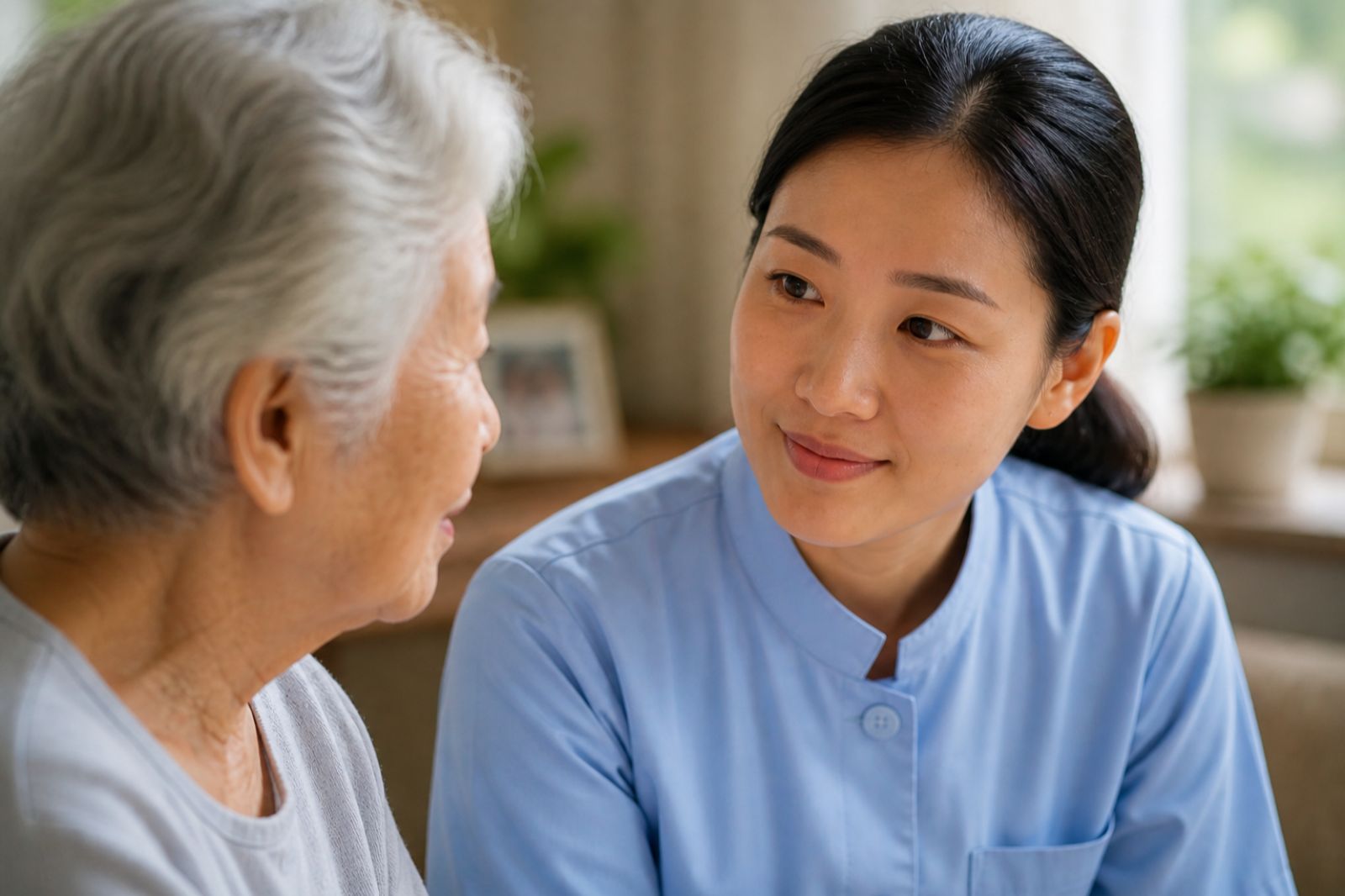
A caregiver attentively listening to an elderly woman in a cozy indoor setting.
Image Disclaimer: The photos used in this article are for illustration purposes only.
Better Monitoring of Health Conditions
A caregiver who understands dialects is more attuned to subtle shifts in a senior's behaviour and speech. Seniors describe discomfort in familiar words and expressions—a language-matched caregiver can recognize these early signs. Catching fatigue, dizziness, or a change in appetite early reduces complications and helps avoid unnecessary hospital visits.
Stronger Emotional Connection
Seniors feel more relaxed when they speak in their native language. Because of this, a Mandarin-speaking maid for elderly care can engage more naturally in daily conversations, simple activities and shared routines. In turn, this builds trust and reduces feelings of loneliness. Over time, regular interaction supports a better mood, maintains mental clarity, and contributes to stronger long-term health.
Clearer Communication for Daily Care
From bathing routines to medication schedules to meal preferences, a maid who speaks Chinese communicates each step in a way the senior can follow. Fewer misunderstandings mean safer daily care and a smoother routine for the whole household.
How to Choose the Right Dialect-Speaking Caregiver
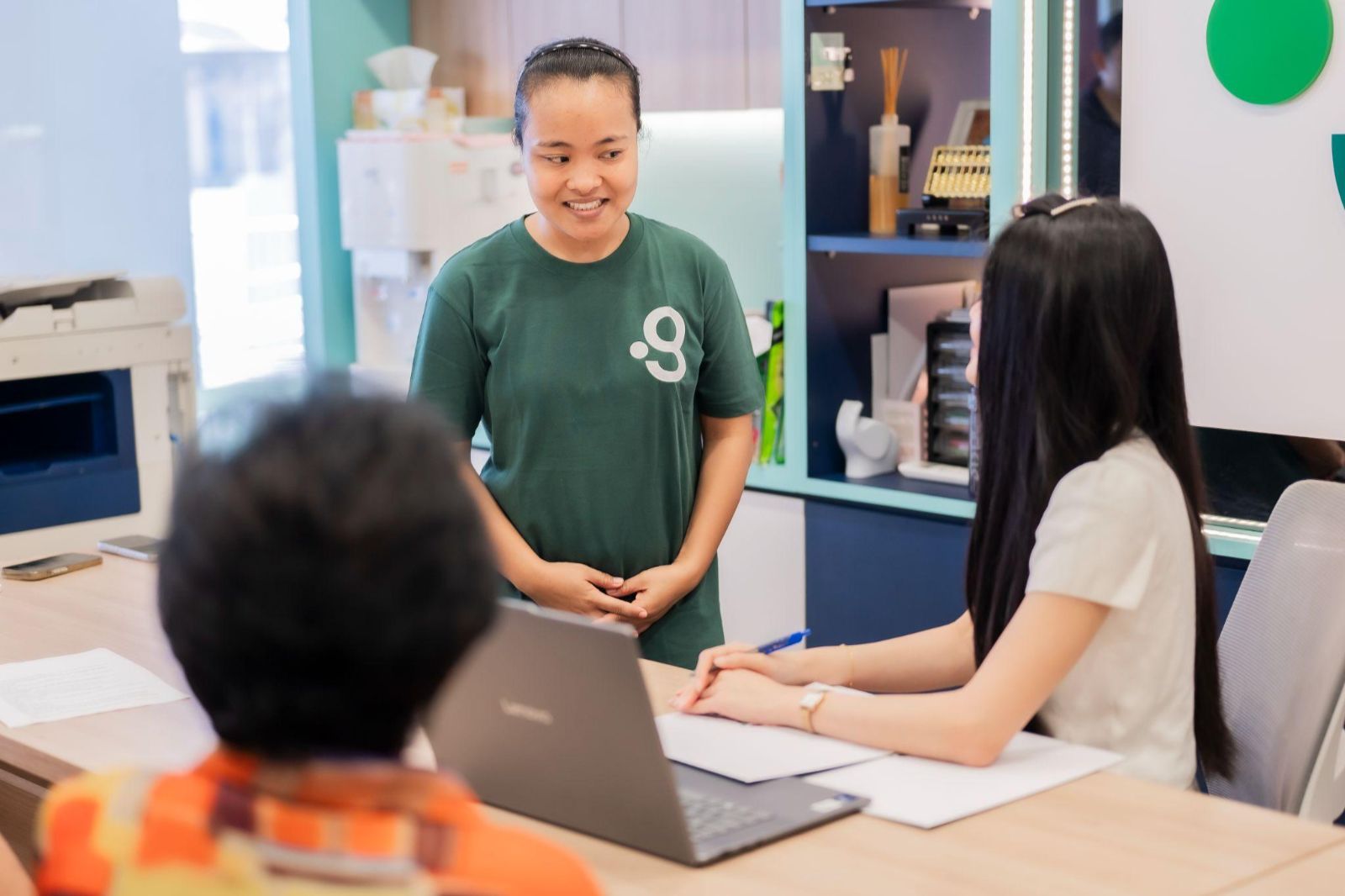
A calm, professional conversation between a caregiver and a hiring manager
Image Disclaimer: The photos used in this article are for illustration purposes only.
Choosing the right caregiver involves more than confirming language ability. Here is a simple three-step process to guide your decision
Step 1 — Assess language proficiency. Conduct the initial interview in Mandarin or the required dialect. Ask the caregiver to describe caregiving tasks in that language. This quickly reveals fluency and identifies any communication gaps before placement.
Step 2 — Check caregiving experience. Look for caregivers with hands-on experience in elderly care—particularly in areas like dementia support, stroke recovery, or mobility assistance. Experienced helpers understand daily routines and know how to handle safety-sensitive situations.
Step 3 — Evaluate communication style and attitude. Fluency alone is not enough. Observe whether the caregiver is patient, clear, and respectful in their communication. A calm, positive attitude builds trust with elderly care recipients and supports a stable, long-term arrangement.
Green Employment screens caregivers across all three areas—so you can shortlist with confidence.
Cost of Hiring a Mandarin-Speaking Maid for the Elderly in Singapore
Hiring a language-matched caregiver falls within the standard domestic helper cost structure in Singapore. Normally, helpers who speak better Mandarin/dialect would command a higher salary than those who don’t. Monthly salary ranges from S$650 to S$900 based on experience and language skills. Employers also pay a foreign worker levy and medical insurance as per MOM rates, along with agency fees, which vary by agency.
Note: The above figures are for reference only. For the most current rates, refer to the MOM website or speak with our consultants.
Language ability may have a modest effect on salary expectations, but investing in the right language match often reduces longer-term costs—fewer care errors, fewer misunderstandings, and better continuity of care.
How Language Improves Long-Term Elderly Care Outcomes

A caregiver is helping an elderly woman with her medication in a positive conversation.
Image Disclaimer: The photos used in this article are for illustration purposes only.
Language plays an important role in elderly care because seniors need to understand instructions clearly. When they understand what the caregiver is saying, daily routines such as meals, medication, toileting, and movement become easier to manage. This helps improve cooperation, reduce resistance, and create a smoother care experience at home.
A Mandarin-speaking maid for elderly care can also provide seniors with greater emotional comfort. When seniors can speak in a language they are familiar with, they may feel safer, calmer, and more understood. Over time, this builds trust between the senior and the caregiver, which supports both better care and emotional well-being.
Frequently Asked Questions (FAQ)
Q1: Why should I hire a Mandarin-speaking maid for the elderly?
A: A Mandarin-speaking maid improves daily communication, reduces confusion, and ensures that care instructions—from medication to mealtimes—are clearly understood by your loved one.
Q2: Can a domestic caregiver speak Mandarin?
A: Yes. Some domestic caregivers who worked in Taiwan or Mandarin-speaking households previously speak some basic Mandarin. Always verify language ability directly during the interview.
Q3: How do I confirm that a maid can speak Chinese?
A: Conduct the interview in Mandarin or the required dialect. Ask practical questions about caregiving tasks and observe how clearly and naturally they respond.
Q4: Are Cantonese-speaking domestic helpers available in Singapore?
A: Yes. Several caregivers have prior work experience in Hong Kong and are comfortable speaking Cantonese. Green Employment can help identify suitable candidates.
Q5: Does language ability affect the cost of hiring a helper?
A: Yes, employers are willing to pay a higher salary for a helper who speaks Mandarin/Cantonese, but overall hiring costs remain within standard domestic helper ranges.
Q6: What if my elderly parent speaks a mix of dialects?
A: It’s better and more realistic to focus on just one language when searching for a suitable domestic caregiver. This will help you identify a suitable candidate sooner.
Q7: Can Green Employment help me find a caregiver who speaks Mandarin/Cantonese?
A: Yes. Language matching is part of our caregiver screening process. Let our consultants know your family's specific language needs, and we will shortlist accordingly.
Key Takeaways
- Prepare financially before hiring a helper.
- Set hiring requirements, including preferred nationality, age range, and language ability.
- Choose a reliable agency to support your hiring process
- Understand MOM regulations and requirements. Maintain clear communication and mutual respect with your helper.
Find the Right Caregiver for Your Family Today
Finding a caregiver who speaks your loved one's language makes a real difference—from the very first day. Whether you need a Mandarin-speaking maid for elderly care, a Cantonese-speaking domestic helper, or a Hokkien-speaking maid in Singapore, Green Employment Agency can help you find the right match.
Our consultants will guide you through caregiver selection, language verification, documentation, and onboarding — every step of the way.
Effortless Hiring Process
.jpg)
Tell us what you're looking for, and we'll do the rest. We provide professional, friendly service with a quick response time.