O2O Digital
Elderly Care Maid Agency Toa Payoh & Serangoon | Trusted Local Service
Your Trusted Elderly Care Maid Agency in Toa Payoh & Serangoon
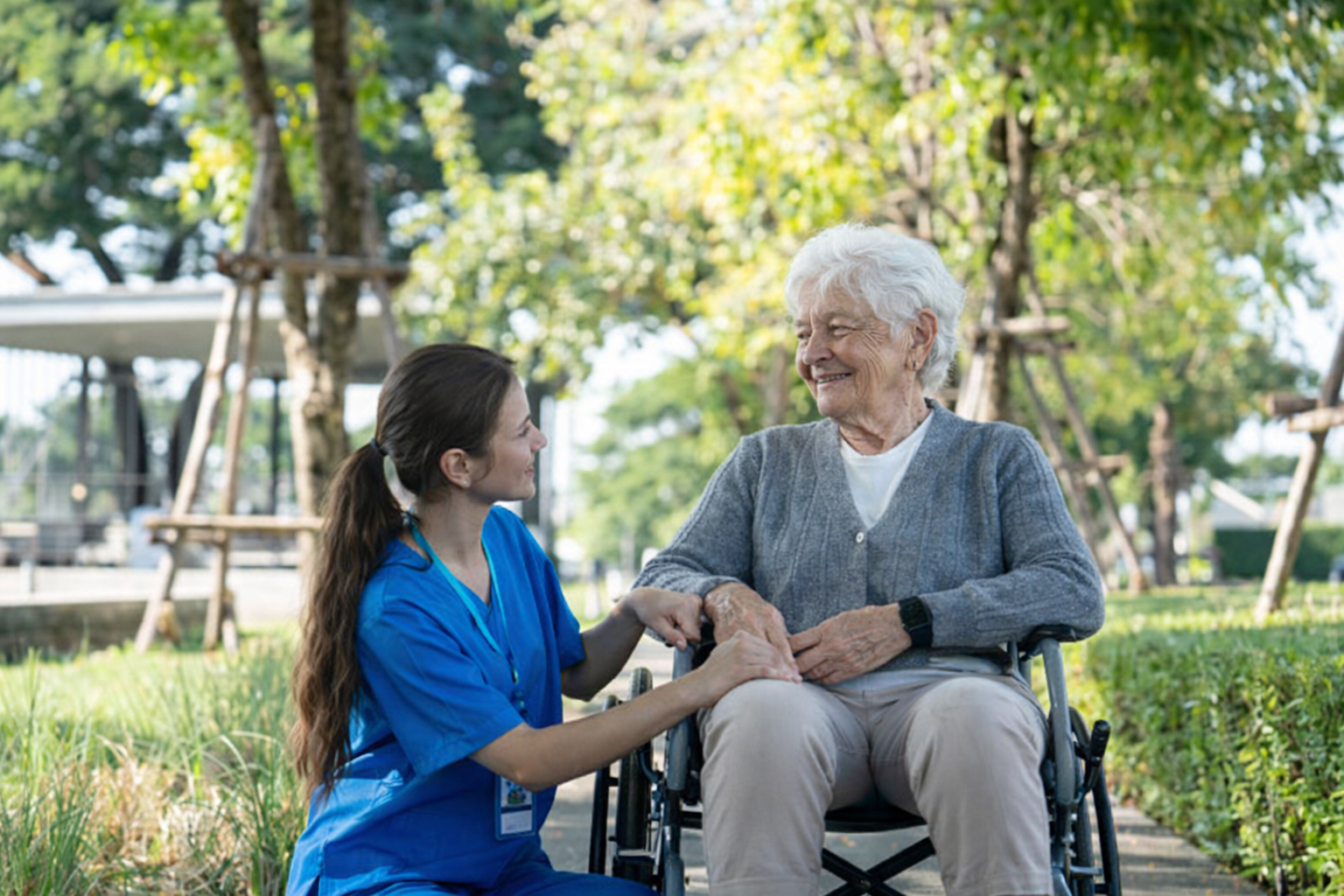
Caregiver providing companionship and emotional support to a senior
Image Disclaimer: The photos used in this article are for illustration purposes only.
Caring for an elderly loved one requires preparation, time, and consistent support. Most Singaporean families prefer home-based care because it allows seniors to remain in a familiar environment with consistent routines. As care needs grow, daily tasks like mobility, hygiene, and medication become more difficult to complete without assistance. This is why families actively seek an elderly care maid agency that offers consistent and structured caregiving assistance.
In areas like Toa Payoh and Serangoon, the aging population continues to grow, increasing the demand for elderly care support. Many families prefer hiring a helper over institutional care, as staying at home provides greater comfort, familiarity, and emotional stability. A reliable maid agency near Braddell helps ensure proper matching and a smoother transition into caregiving.
Why Families in Toa Payoh and Serangoon Need Elderly Care Support
Singapore continues to see a rise in elderly residents, with more than 1 in 4 citizens expected to be aged 65 and above by 2030 based on national projections. Many seniors live with chronic conditions such as arthritis, dementia, and post-stroke limitations. These conditions require daily supervision and structured care routines. Family members often face difficulty managing these responsibilities alongside work and other commitments.
Without proper support, daily living becomes unsafe and inconsistent. Common risks include:
- Falls, which are a leading cause of hospital admissions among seniors
- Missed medication schedules
- Poor nutrition and irregular routines
A reliable elderly care maid agency that Toa Payoh & Serangoon families trust helps reduce these risks through structured daily support. With trained assistance, seniors receive consistent care that improves safety and stability at home.
Why Green Employment Elderly Care Maid Agency in Toa Payoh & Serangoon
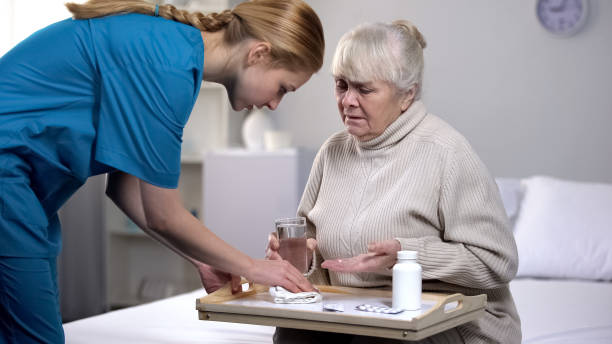
Maid managing medical schedule for elderly patient
Image Disclaimer: The photos used in this article are for illustration purposes only.
As an elderly care maid agency with outlets in Toa Payoh and Serangoon, we connect families with trained domestic helpers and caregivers who support daily living activities and monitor safety at home. These helpers follow structured routines that are based on the needs of each senior. They assist with both physical care and daily organization to maintain consistency. Their role ensures that care continues even when family members are unavailable.
A maid agency near you for elderly care focuses on proper matching based on condition and lifestyle needs. For example:
- Seniors with mobility issues require physical assistance
- Seniors with memory decline need supervision and routine management
- Communication compatibility ensures smoother caregiving
Proper matching improves cooperation, reduces misunderstandings, and supports long-term caregiving success.
Elderly Care Services Offered by Our Maid Agency in Serangoon and Toa Payoh
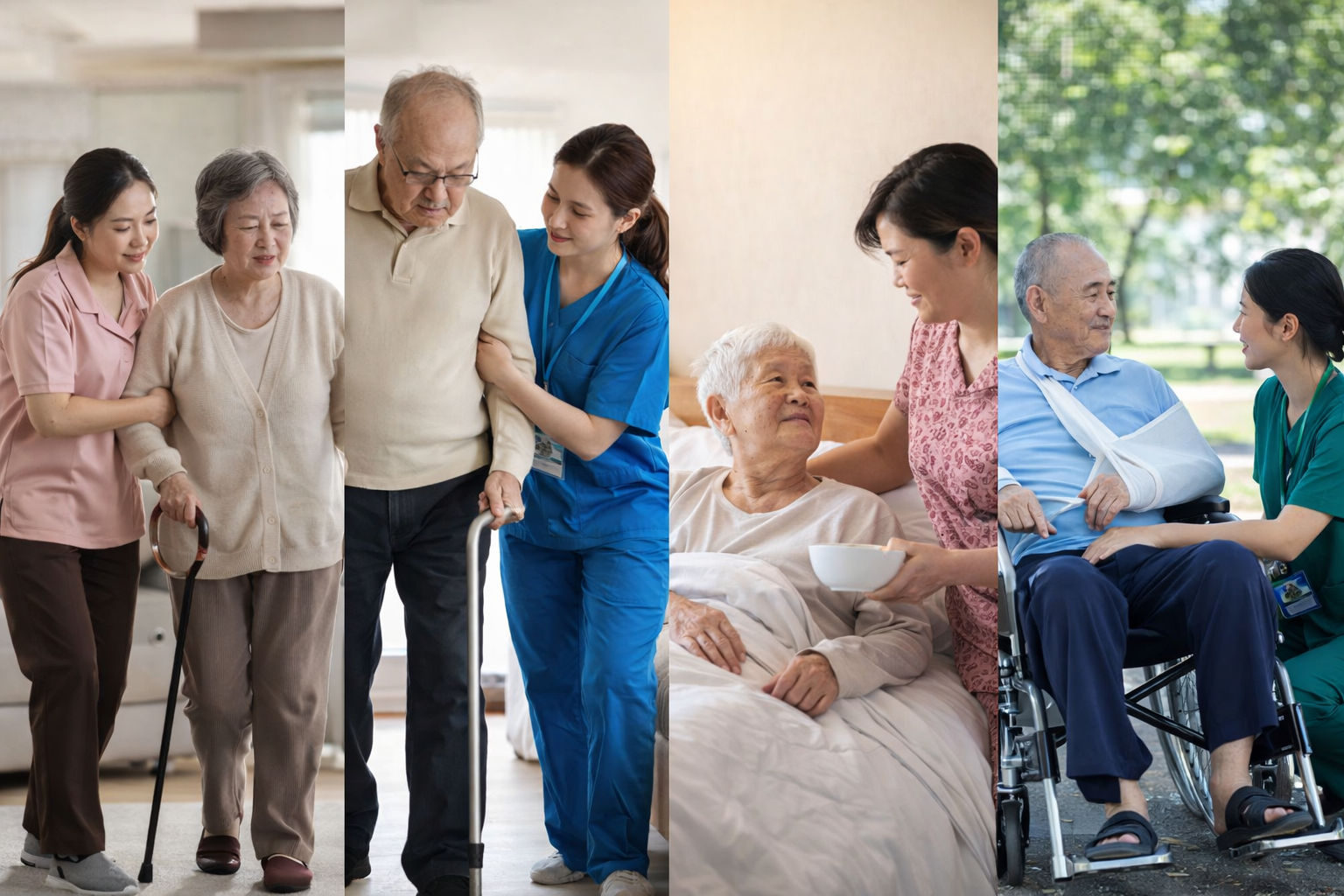
Various elderly care helpers supporting different patient needs
Image Disclaimer: The photos used in this article are for illustration purposes only.
Our maid agency, with outlets in Serangoon North & Serangoon, provides elderly care caregiving services, focusing on practical support that improves safety and daily comfort. Each helper is prepared to assist with tasks that directly impact health and routine stability.
Personal Care Support
Helpers assist with essential daily activities, including:
- Bathing, grooming, and dressing
- Toileting and hygiene care
- Maintaining daily routines
This approach ensures proper hygiene, preserves dignity, and supports overall physical well-being.
Mobility and Fall Prevention
Helpers support safe movement and reduce fall risks through:
- Walking assistance and bed-to-chair transfers
- Proper use of mobility aids
- Maintaining a safe home environment (removing hazards, clutter, wet surfaces)
Falls are a major risk among elderly individuals, and prevention helps reduce hospital visits while improving confidence in mobility.
Medication and Basic Monitoring
Helpers ensure proper health management by:
- Reminding medication intake according to schedule
- Monitoring appetite, alertness, and physical condition
- Reporting unusual changes early
This structured approach improves response time and supports better health outcomes.
Companionship and Emotional Support
Helpers support emotional well-being through:
- Daily interaction and conversation
- Simple activities to keep seniors engaged
- Building trust through consistent presence
This approach reduces isolation and creates a more stable caregiving environment.
Types of Elderly Care Caregivers/ Helpers Available
Different types of helpers are suited for different care needs:
- Dementia care caregivers/ helpers – manage behavioral changes and structured routines
- Stroke care caregivers/ helpers – support mobility exercises and rehabilitation
- Bedridden care caregivers/ helpers—assist with full hygiene, feeding, and repositioning
- Transfer maids – experienced in Singapore households and adapt quickly
Selecting the right type of caregivers/ helper ensures more effective care and reduces complications.
When You Should Hire a Domestic Caregiver/ Helper for Elderly Care
You should consider hiring a domestic caregiver/ helper when:
- Daily activities become difficult to manage
- There is a risk of falls or mobility issues
- Medication schedules are missed
- The senior requires supervision throughout the day or night
Families should also act when caregiving becomes physically demanding. Tasks such as lifting and assisting seniors require proper technique and strength. Without support, caregivers risk injury and fatigue. Engaging an elderly care maid agency ensures that care responsibilities are shared and managed effectively.
We are a Trusted Maid Agency Near Braddell/ Toa Payoh & Serangoon
We provide structured processes that improve caregiver selection and placement. Our agency conducts screening to ensure helpers meet caregiving requirements and have relevant experience. Communication skills and attitude are also assessed to ensure compatibility. This process improves long-term placement success.
We continue to provide support after placement,assist with adjustments and address issues that arise during employment. Ongoing guidance helps maintain stability and reduces disruptions. Choosing an experienced agency ensures a smoother caregiving journey for families.
Our Screening and Training Process for Elderly Care Maids
A proper screening process ensures that only qualified helpers are selected. Before making a short list of candidates, agencies check their background information, work history, and medical records. This makes sure that the placement is safe and reliable. Careful evaluation makes matching more accurate.
Training prepares helpers for real caregiving situations. They learn safe transfer techniques, fall prevention methods, and hygiene support routines. Communication training helps them interact effectively with seniors. A structured approach ensures that helpers provide consistent and safe care from the first day.
Cost of Hiring an Elderly Care Maid in Singapore
Hiring a helper involves both initial and ongoing expenses. Monthly salary ranges from S$5500 to S$850 depending on experience and skill level. Employers also pay a levy of S$60 under concession or S$300 under the standard rate. Insurance and agency fees form part of the overall cost.
Note: Costs may vary depending on experience, levy eligibility, and current MOM regulations.
Compared to nursing home care, hiring a helper is more cost-efficient for many families. Home care allows seniors to remain in a familiar environment at a lower overall cost. This approach supports both financial planning and emotional comfort.
Benefits of Hiring a Live-In Elderly Care Maid

Live-in maid providing full-time care for the elderly at home
Image Disclaimer: The photos used in this article are for illustration purposes only.
A live-in helper provides continuous supervision and support throughout the day and night. This ensures that seniors are never left unattended during critical moments. Immediate assistance reduces the risk of falls and medical emergencies. Constant presence improves safety and confidence.
Remaining at home provides key benefits:
- Familiar environment and routines
- Greater emotional comfort
- Personalized care based on daily needs
This improves cooperation, stability, and overall well-being.
How to Choose the Right Elderly Care Maid Agency Near You
First, determine what your loved one really requires. Find out if you require assistance with mobility, medical procedures, or watching over someone. Make a list of agencies that have extensive experience caring for the elderly and have received positive feedback from clients. A maid service near me that helps seniors should provide clear instructions and organized assistance.
Interview potential helpers to assess communication and suitability. Ask about previous caregiving experience and specific skills related to elderly care. Discuss expectations clearly before placement to avoid misunderstandings. Careful selection improves long-term stability and ensures better caregiving outcomes.
Frequently Asked Questions (FAQ)
Q1: How much is the salary of a maid in Singapore?
A: The salary of a maid in Singapore typically ranges from S$550 to S$850 per month depending on experience, skills, and job scope. Employers also need to pay the levy, insurance, and other related costs.
Q2: How do I choose the right maid agency?
A: Choose a maid agency with strong experience, transparent processes, and good customer reviews. Check their screening methods, training standards, and after-placement support. Interview candidates carefully to ensure they match your household needs.
Make the Right Care Decision Today
Hiring a domestic caregiver/ maid in Singapore requires planning, budgeting, and compliance with Ministry of Manpower regulations. When you understand eligibility, costs, and responsibilities, the process can be smoother, and the risk of violating MOM regulations is lower. Clear, open communication and mutual respect help improve the retention and performance of helpers.
Key Steps to Get Started
- Prepare financially before hiring a helper.
- Choose a reliable agency to support your hiring process.
- Understand MOM regulations and requirements. If unsure, consult an employment agent from Maid Agency.
- Maintain clear communication and mutual respect with your helper.
If you are ready to begin hiring a maid in Singapore, speak with our team today. We support selection, documentation, and onboarding for your domestic helper in Singapore. Our professional and friendly recruitment consultants will guide you through every step to ease the anxiety of the hiring process and increase the success rate. Contact us now for a free consultation.
Green Employment Pte Ltd (21C0720) - +65-80306663
[Disclaimer by Green Employment: The above information and figures are for reference only. For the most updated and accurate information, please refer to the MOM website/other relevant sources, or consult our recruitment consultants.
Urgent Maid for Hospital Discharge | Fast Transfer Maids SG
Urgent Caregiver Support After Hospital Discharge with Transfer Maids
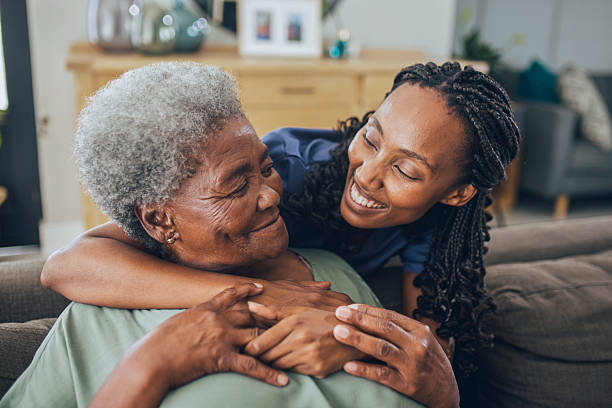
Family feeling reassured with caregiver supporting elderly loved one at home
Image Disclaimer: The photos used in this article are for illustration purposes only.
Families often need to act fast when a patient is about to be discharged from the hospital. Even though doctors may confirm that the patient is medically stable, daily care is still required at home. This is why urgent caregiver support in Singapore plays a key role in ensuring a safe transition.
Many families face a gap between hospital discharge and long-term care arrangements. Hiring a new helper from overseas can take several weeks due to work permit processing unless you plan ahead. Throughout this waiting period, the patient still requires constant supervision and assistance. Consequently, many families seek out transfer maids who can begin work with shorter processing time.
What to Expect After Hospital Discharge in Singapore
After discharge, the patient goes back home with clear medical prescriptions. These include medication schedules, wound care, physical therapy support, and follow-up visits. In the absence of proper care, the risk of complications grows quickly. Falls, missed medication, and poor nutrition can lead to hospital readmission.
You may notice that the patient usually struggles with simple daily tasks such as getting out of bed, walking to the toilet, or eating meals. These routine activities often require close assistance and supervision throughout the day. Family members may not be able to provide full-day support due to work and other responsibilities. Thus, an urgent caregiver Singapore service ensures that proper care is in place from the start.
Why Families Need Urgent Caregiver Support After Discharge

Family caregiver feeling overwhelmed while assisting elderly patient at home
Image Disclaimer: The photos used in this article are for illustration purposes only.
The first days after discharge are critical for recovery. Patients are no longer under hospital supervision, yet they still need structured care. Proper medication and mobility support must be ensured on time and safely. Delays in arranging care increase the risk of setbacks.
Many families are not prepared for full-time caregiving. Lifting and transferring a patient requires proper technique and physical strength. Without training, both patient and caregiver face injury risks. Engaging an urgent medical hospital discharge solution provides immediate support and reduces pressure on the household.
What Does Transfer Maids Mean?
Transfer maids are migrant domestic workers who are already working in Singapore and are allowed to change employers. Since they are already in the country, the hiring process is faster compared to overseas recruitment. As a result, they become a practical option for families who need urgent support.
Many Singaporean families hire a transfer maid with shorter processing time. Furthermore, a lot of these helpers have worked with the elderly, helped people with mobility issues, and done daily tasks before. They adapt quickly to new routines and home environments. This makes transfer maids a practical and reliable option for urgent caregiving needs in Singapore.
How Fast Can You Hire a Transfer Maid After Hospital Discharge
Estimated processing time for a transfer maid can be as fast as several days to about 1 week plus, depending on how fast MOM approval is obtained. Once the work permit application is approved by MOM, , the helper/ caregiver can be placed within 1-2 working days. hThis timeline helps with immediate caregiving needs.
Overseas hiring usually takes 3 to 8 weeks due to processing and travel arrangements. While it’s suitable for families who have the luxury of time to plan ahead, it may not be the case for families with urgent caregiving needs. During this period, families must rely on temporary solutions or unpaid leave. A maid hired quickly to care for the elderly gives them constant help without long waits. Quick placement lowers the chance of problems and makes recovery more stable.
What an Urgent Caregiver Provides at Home
Estimated processing time for a transfer maid can be as fast as several days to about 1 week plus, depending on how fast MOM approval is obtained. Once the work permit application is approved by MOM, , the helper/ caregiver can be placed within 1-2 working days. hThis timeline helps with immediate caregiving needs.
Overseas hiring usually takes 3 to 8 weeks due to processing and travel arrangements. While it’s suitable for families who have the luxury of time to plan ahead, it may not be the case for families with urgent caregiving needs. During this period, families must rely on temporary solutions or unpaid leave. A maid hired quickly to care for the elderly gives them constant help without long waits. Quick placement lowers the chance of problems and makes recovery more stable.

A caregiver helping an elderly patient with daily care at home
Image Disclaimer: The photos used in this article are for illustration purposes only.
An urgent caregiver service in Singapore supports essential daily care and ensures a safe recovery environment at home. The caregiver helps maintain routines, reduce risks, and provide consistent support during this critical period.
1. Daily care support
The caregiver assists with essential daily activities such as:
- Bathing, dressing, and toileting
- Feeding and hygiene care
- Maintaining consistent daily routines
This approach ensures comfort, hygiene, and smoother recovery at home.
2. Mobility and safety support
The caregiver supports safe movement and mobility by:
- Bed-to-chair transfers and walking assistance
- Monitoring fall risks and preventing accidents
- Keeping the home environment safe and accessible
This approach reduces injury risks and improves confidence in mobility.
3. Medication and basic monitoring
The caregiver ensures proper health monitoring by:
- Reminding medication intake on time
- Observing changes in appetite, alertness, and condition
- Identifying early warning signs for faster response
This approach supports stable recovery and reduces complications.
When You Should Consider Hiring a Transfer Maid Immediately
You should act when the patient cannot manage daily tasks independently. Examples include difficulty walking, frequent falls, and the need for assistance with feeding or toileting. Patients healing from surgery or stroke often require close monitoring during the first weeks. Early support reduces risk and aids recovery.
You should consider hiring urgently when:
- The patient cannot manage daily tasks independently
- There is a high fall or mobility risk
- The patient requires assistance with feeding or toileting
- No full-time caregiver is available at home
- Recovery requires close monitoring after surgery or stroke
- A family member is admitted to hospital due to accident or surgery, and caregiving support is expected post discharge.
Checklist Before Bringing a Patient Home
Before discharge, families should prepare:
- Medication list and schedule
- Mobility aids (if required)
- Safe home environment (remove fall hazards)
- Caregiver arrangement confirmed
- Follow-up appointments planned
- Sending helper/ caregiver to be trained by nurse at hospital
How to Arrange an Urgent Transfer Maid in Singapore
Arranging an immediate transfer maid service in Singapore requires clear steps. Acting quickly helps you secure support before the patient returns home.
1. Contact an agency with urgent caregiving service in Singapore.
Share detailed information about the patient’s condition and care needs. This helps the agency match suitable candidates quickly. Agencies with elderly care experience can shortlist helpers ready for immediate placement. Clear communication speeds up the process.
2. Review and interview candidates
You will receive profiles of available transfer maids with relevant experience. Review their background in mobility support and elderly care. Conduct short interviews to assess communication and attitude. Choosing the right helper ensures smoother adjustment at home.
3. Process work permit
Once you select a candidate, the agency will handle documentation for transfer. Proper submission avoids delays and ensures compliance. Most transfers complete within a few days.
4. Prepare the home for arrival
Ensure the home environment is safe for both patient and caregiver. Obtain medical supplies, medicine, and any other equipment you need. Make sure the walkways are clear and keep important things close by. With the right preparation, you can start taking care of someone right away.
Cost of Hiring Urgent Caregiver Singapore
The cost of hiring a caregiver in Singapore depends on experience and service scope. A transfer maid typically earns between S$600 and S$900 per month. Moreover, employers pay a monthly levy to MOM. Agency fees range based on placement services.
Comparatively, hourly caregiver services may cost around S$20 to S$30 per hour, or more in some cases. This rate becomes expensive for full-day support. A domestic helper/ caregiver for elderly care provides continuous assistance at a fixed monthly cost. This option offers better value for long-term caregiving.
Responsibilities of a Supportive Caregiver
A caregiver supports daily living and ensures patient safety at home. Responsibilities include hygiene care, feeding assistance, and mobility support. The caregiver monitors health conditions and reports any changes to family members. Emotional support also plays a key role in recovery.
What Is the First Priority of a Caregiver
The first priority is safety. The caregiver must prevent falls, ensure correct medication use, and maintain a safe environment. Proper supervision reduces the risk of complications. Safety remains the foundation of effective care.
What Comes After Caregiver Support Is Arranged
Once support is in place, you can focus on recovery planning. Regular monitoring helps track progress and adjust care routines. Some patients move toward long-term care arrangements over time. Consistent support improves stability and reduces stress for everyone.
Caregiver support in Singapore makes sure that the move from the hospital to home goes smoothly. Transfer maids give quick and reliable care during this important time. You can be sure that proper care starts right away by choosing an immediate transfer maid in Singapore that families can trust.
Frequently Asked Questions (FAQ)
Q1: How much is a caregiver paid in Singapore?
A: A caregiver or domestic helper in Singapore usually earns between S$600 and S$900 per month, depending on experience and job scope. Additional costs include levy, insurance, and agency fees.
Q2: What is the priority of a caregiver?
A: The priority of a caregiver is to ensure patient safety. This includes preventing falls, ensuring medication is taken correctly, and maintaining a safe and clean environment at home.
Q3: What is the next step after caregiver support is arranged?
A: After caregiver support is in place, families should monitor progress and adjust care routines based on the patient’s condition. Regular communication with healthcare providers ensures proper recovery and long-term care planning.
Q4: What are the responsibilities of the supportive caregiver?
A: A supportive caregiver assists with daily activities such as bathing, dressing, feeding, and mobility. The caregiver also monitors health conditions, provides medication reminders, and offers emotional support to improve overall well-being.
Key Takeaways & Next Step
Hiring a maid in Singapore requires planning, budgeting, and compliance with Ministry of Manpower regulations. When you understand eligibility, costs, and responsibilities, the process can be smoother, and the risk of violating MOM regulations is lower. Clear, open communication and mutual respect help improve retention and performance of helpers.
Key Steps to Get Started
- Prepare financially before hiring a helper.
- Choose a reliable agency to support your hiring process.
- Understand MOM regulations and requirements. If unsure, consult an employment agent from Maid Agency.
- Maintain clear communication and mutual respect with your helper.
If you are ready to begin hiring a maid in Singapore, speak with our team today. We support selection, documentation, and onboarding for your domestic helper in Singapore. Our professional and friendly recruitment consultants will guide you through every step to ease the anxiety of the hiring process and increase the success rate. Contact us now for a free consultation.
Green Employment Pte Ltd (21C0720) - +65-80306663
[Disclaimer by Green Employment: The above information and figures are for reference only. For the most updated and accurate information, please refer to the MOM website/other relevant sources, or consult our recruitment consultants.
Maid for Bedridden Patient Singapore | Compassionate Bedside Care
Compassionate Maid for Bedridden Patient Care at Home
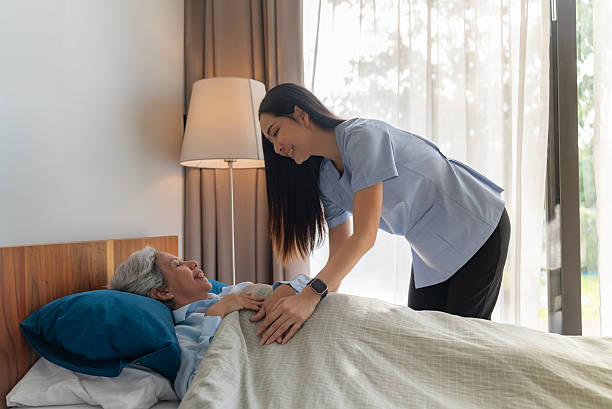
A Singapore maid assisting a bedridden elderly patient with daily care at home
Image Disclaimer: The photos used in this article are for illustration purposes only.
Caring for a bedridden loved one requires consistent routines, physical support, and close monitoring. You must handle daily tasks such as hygiene, feeding, repositioning, and health observation properly to prevent complications. Without the right support, many families find it difficult to manage these responsibilities alone.
In Singapore, many elderly individuals live with conditions such as stroke, paralysis, or severe illness. These conditions often lead to long-term immobility and full dependence on caregivers. While family members may not have the skills to handle lifting, hygiene care, and medical routines, a bedridden elderly care helper can assist in providing the support needed to maintain comfort and prevent any complications.
Why Bedridden Patient Care Requires Trained Support
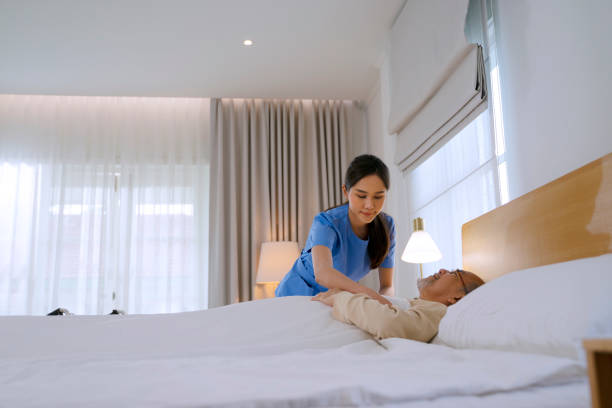
Caregiver repositioning bedridden patient to prevent pressure injuries
Image Disclaimer: The photos used in this article are for illustration purposes only.
To avoid health problems, bedridden care requires constant attention. Without the right routines, pressure injuries, infections, and muscle stiffness can happen quickly. Furthermore, research has indicated that pressure injuries may develop within hours if repositioning is not performed consistently. This shows how important it is to have structured care all day.
Key risks without proper care include:
- Pressure injuries (bedsores) from lack of repositioning
- Infections due to poor hygiene management
- Infections due to poor hygiene management
Family caregivers often face physical strain when lifting or repositioning a patient. Incorrect handling increases the risk of injury for both the patient and caregiver. Emotional stress also builds when care demands continue without rest. A maid for bedridden patient care handles daily tasks safely and consistently, reducing these risks.
Responsibilities of a Bedridden Elderly Care Helper
A. Hygiene and Personal Care Support
A bedridden elderly care helper supports daily hygiene and personal care through the following:
- Sponge baths, oral care, and grooming
- Keeping skin clean and dry to prevent infections
- Maintaining dignity and comfort for the patient
B. Repositioning and Bedsore Preventiont
Repositioning is critical in preventing complications. The helper ensures:
- Turning the patient every 2–3 hours
- Checking for redness or early signs of pressure injuries
- Maintaining proper circulation and reducing long-term risks
C. Feeding and Hydration Support
Proper nutrition and hydration are essential for recovery. The helper:
- Assists with feeding in a safe sitting position
- Reduces choking risks during meals
- Monitors food and water intake
D. Diaper Changing and Toileting Care
A maid for changing diapers ensures proper hygiene through the following:
- Timely diaper changes
- >Thorough cleaning to prevent infections
- Maintaining patient comfort and dignity
How a Palliative Care Domestic Helper Supports Comfort and Dignity
A palliative care domestic helper focuses on improving comfort and quality of life through the following:
- Gentle positioning to reduce pain and discomfort
- Monitoring signs of distress or health changes
- Providing companionship and emotional reassurance
- Creating a calm and supportive environment
Benefits of Hiring a Maid for Bedridden Patient Care at Home
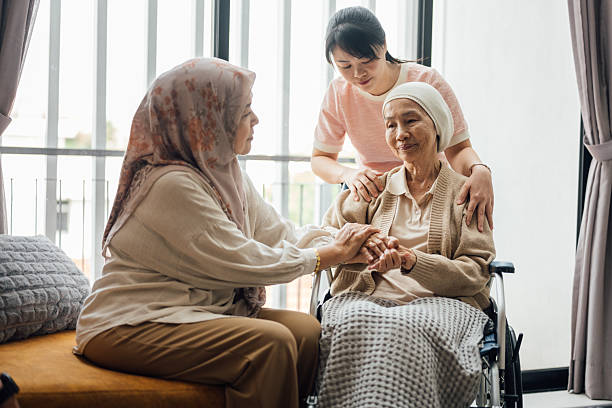
Family and caregivers supporting bedridden elderly at home
Image Disclaimer: The photos used in this article are for illustration purposes only.
Hiring a maid for bedridden patient care helps ensure consistent and structured daily support at home. With proper routines in place, families can better manage care needs while reducing health risks for their loved ones.
Key benefits include the following:
- Reduced risk of infections and pressure injuries
- Consistent daily care routines
- Lower caregiver stress and burnout
- Better overall patient comfort and recovery
Checklist: Is Your Loved One Ready for Bedridden Care Support?
- Unable to move independently
- Requires frequent repositioning
- Needs help with hygiene and feeding
- Showing signs of caregiver burnout in family
Common Risks in Bedridden Care and How to Prevent Them
Bedridden patients face several risks that require active management. Without proper care, these issues can develop quickly and affect recovery.
Common risks and prevention:
- Pressure injuries → prevented by regular repositioning
- Infections → prevented through proper hygiene
- Dehydration → managed through monitored intake
- Poor nutrition → improved with structured feeding routines
When You Should Hire a Bedridden Elderly Care Helper
You should consider hiring a helper when your loved one is no longer able to manage daily activities independently.
- Difficulty moving or repositioning
- Frequent discomfort or health decline
- Need for assistance with hygiene and feeding
Families should also act when caregiving becomes physically demanding. Lifting and repositioning require strength and proper technique. Without support, caregivers face injury and fatigue. Hiring a maid for bedridden patient care ensures safe and consistent assistance.
How to Choose the Right Maid for a Bedridden Patient
Choosing the right helper requires careful evaluation. Focus on experience in handling bedridden patients and hygiene routines. This ensures the helper understands daily care needs. Proper experience reduces risk during caregiving.
Communication is also important. The helper must understand instructions and interact respectfully with the patient. Discuss daily routines and expectations clearly before hiring. This ensures smoother adjustment and better care delivery.
Cost of Hiring a Maid for a Bedridden Patient in Singapore
Hiring a helper involves monthly and initial costs. Salary typically ranges from S$600 to S$850 based on experience. Employers also pay a levy, insurance, and agency fees. Total cost depends on the level of care required.
Compared to nursing homes, hiring a helper can be more cost-effective. Home care allows patients to stay in a familiar environment while receiving consistent support. This improves both comfort and cost management.
For a clearer understanding of the full hiring process, requirements, and costs, you can refer to our article The Ultimate Guide to Hiring a Helper in Singapore to make a more informed decision.
Daily Care Routine for Bedridden Patients at Home
Morning hygiene routine for a bedridden patient with caregiver support
Image Disclaimer: The photos used in this article are for illustration purposes only.
A structured daily routine helps maintain stability, prevent complications, and improve overall comfort. Below is a simple care plan followed by most caregivers.
Morning care routine
Start the day with essential hygiene and preparation to ensure comfort and cleanliness.
- Hygiene care such as sponge baths, oral care, and diaper changing
- Skin checks to detect early signs of pressure injuries
- Ensuring the patient feels clean, comfortable, and refreshed
Daytime care routine
Throughout the day, focus on maintaining nutrition, hydration, and mobility support.
- Manage feeding and ensure proper hydration
- Reposition the patient every 2–3 hours to prevent pressure injuries
- Monitor appetite, alertness, and overall condition
- Light exercises (if suitable) to reduce stiffness and improve circulation
Evening care routine
Prepare the patient for rest while ensuring comfort and safety overnight.
- Hygiene care and diaper changing before sleep
- Proper positioning to reduce discomfort and pressure
- Regular checks to prevent prolonged pressure on one area
Frequently Asked Questions (FAQ)
Q1: How to manage bedridden patients?
A: Follow a structured routine including hygiene, repositioning, feeding, and monitoring. Consistent care helps prevent complications and ensures patient comfort.
Q2: How to cheer up a bedridden person?
A: Provide regular interaction through conversation, music, or simple activities. Keeping the patient engaged helps reduce loneliness and supports emotional well-being.
Q3: How to help someone get out of bed when weak?
A: Use proper support techniques such as assisting from the side and guiding movement slowly. A trained helper ensures safe transfers and reduces the risk of falls or injury.
Q4: What activities are beneficial for bedbound patients?
A: Light activities such as stretching, hand exercises, music, or conversation help maintain mental and physical function. Regular engagement improves overall well-being.
Make the Right Care Decision Today
Hiring a maid in Singapore requires planning, budgeting, and compliance with Ministry of Manpower regulations. When you understand eligibility, costs, and responsibilities, the process can be smoother, and the risk of violating MOM regulations is lower. Clear open communication and mutual respect help improve retention and performance among helpers.
Key Takeaways
- Prepare financially before hiring a helper.
- Choose a reliable agency to support your hiring process.
- Understand MOM regulations and requirements. If unsure, consult an employment agent from Maid Agency.
- Maintain clear communication and mutual respect with your helper.
If you are ready to begin hiring a maid in Singapore, speak with our team today. We support selection, documentation, and onboarding for your domestic helper in Singapore. Our professional and friendly recruitment consultants will guide you through every step to ease the anxiety of the hiring process and increase the success rate. Contact us now for a free consultation.
Green Employment Pte Ltd (21C0720) - +65-80306663
[Disclaimer by Green Employment: The above information and figures are for reference only. For the most updated and accurate information, please refer to the MOM website/other relevant sources or consult our recruitment consultants.
Stroke Care Helper Singapore | Specialized Recovery Support Maid
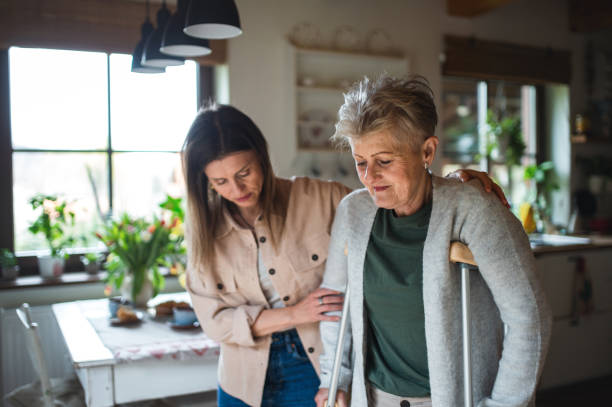
Caregiver assisting an elderly stroke survivor with mobility support at home using a walking aid.
A stroke changes life within minutes. Blood flow to the brain stops, and brain cells begin to die quickly. Survivors often face weakness on one side of the body, speech difficulty, swallowing problems, and reduced mobility. Recovery continues long after hospital discharge, which is why many families choose to hire a stroke Care Helpers to support daily care at home.
In Singapore, stroke remains one of the leading causes of long-term disability among older adults. Many survivors require months or years of structured rehabilitation. Hospital treatment stabilizes the condition, but daily repetition of exercises determines how much function returns. Consistent home support improves strength, balance, and independence over time.
Why Stroke Recovery Requires Structured Home Support
The first 3 to 4 months after a stroke are critical for progress. During this phase, the brain responds strongly to repeated physical and cognitive exercises. Patients must practice movement daily to rebuild muscle memory and coordination. Without structured routines at home, improvement slows and complications increase.
Family members often manage work, children, and caregiving at the same time. Many do not have training in safe transfer methods or physiotherapy support. Incorrect lifting or movement increases the risk of falls and injury. A stroke recovery helper Singapore families hire provides trained assistance to maintain safety and consistency.
What Is a Stroke Care Helper Singapore Families Can Hire
A stroke care helper Singapore households engage is a domestic helper trained to support rehabilitation and daily living needs of stroke survivors. She works under guidance from doctors and therapists and reinforces therapy routines at home. Her role focuses on mobility support, personal care, and safety monitoring. She strengthens the recovery process through structured daily support.
A maid trained for stroke patients understands how to assist with transfers from bed to wheelchair and how to guide walking practice safely. She maintains proper body positioning to prevent pressure sores and joint stiffness. She follows therapy instructions provided by physiotherapists and occupational therapists. Daily repetition improves muscle control and functional ability.
Core Responsibilities of a Stroke Care Helpers

Caregiver supporting an elderly woman during daily care routine at home.
A stroke care helper performs structured tasks that support both rehabilitation and daily living. Her role requires attention to detail, physical assistance, and consistent observation.
Rehabilitation and Physio Support
She assists with exercises prescribed by physiotherapists. These include a range of motion movements, balance training, and supported walking sessions. A physio-assist domestic helper ensures that exercises follow proper technique and frequency. Daily practice strengthens muscles, reduces stiffness, and improves coordination over time. For example, if a therapist recommends fifteen minutes of assisted walking twice a day, the helper supervises each session and records progress. This structured repetition improves stability and reduces fall risk. Consistency at home supports faster functional recovery compared to irregular practice.
Daily Living Assistance
Stroke survivors often struggle with bathing, dressing, feeding, and toileting. The helper supports these tasks while encouraging independence where possible. She uses safe transfer techniques to reduce strain on both patient and caregiver. Proper positioning during meals lowers choking risk for patients with swallowing difficulty. Clear routines help restore confidence and reduce frustration. When a patient practices dressing daily with guidance, motor skills gradually improve. Structured assistance preserves dignity and supports emotional well-being.
Medication and Health Monitoring
Medication adherence reduces the risk of another stroke. The helper reminds the patient to take medication at scheduled times and ensures doses are not missed. She observes changes in speech, alertness, or mobility and reports concerns to family members quickly. Early detection of warning signs allows faster medical attention. Monitoring daily habits such as appetite and fluid intake also supports overall recovery. Structured oversight lowers the risk of complications and hospital readmission.
Emotional and Social Support
Stroke affects mental health as much as physical ability. Survivors often feel frustration due to the sudden loss of independence. A consistent caregiver provides encouragement and companionship during daily routines. Emotional stability improves motivation to complete exercises and follow therapy plans. Social interaction reduces isolation and supports mental resilience. A calm and structured environment strengthens recovery outcomes.
Benefits of Hiring a Maid Trained to Care for Stroke Patients
Hiring a maid trained for stroke patients or with relevant experience creates measurable benefits.
- Daily reinforcement of therapy exercises
Improves mobility and muscle strength.
- Structured routines
Increase patient confidence and restore basic functions faster. Consistency supports progress during the critical early months of recovery.
- Reduced caregiver strain for family members
A stroke care helper Singapore families rely on also reduces caregiver strain. Family members no longer carry full physical responsibility for transfers and supervision. Reduced stress improves family stability and prevents burnout.
- Better long-term care stability
Balanced support helps maintain long-term care without compromising work or personal responsibilities.
- Improved safety at home
Safety improves significantly with trained assistance. Falls are common after a stroke due to weakness and poor balance. A trained helper supervises movement and ensures clear walking paths at home. Preventing falls protects against fractures and further medical complications.
How a Physio Assistant Domestic Helper Works With Therapists
Stroke care depends on teamwork. Doctors manage medical treatment, while physiotherapists and occupational therapists design rehabilitation plans. A physio-assist domestic helper implements these instructions at home through structured practice. She ensures that therapy routines continue daily instead of only during clinic visits.
For example, if speech therapy includes swallowing exercises before meals, the helper supervises practice consistently. If occupational therapy focuses on hand coordination tasks, she assists with repetitive activities such as gripping and releasing objects. This coordination between professionals and home care strengthens progress. Clear communication between family and therapists ensures goals remain aligned.
If you are exploring broader support options beyond stroke care, you can also read our guide on Hiring Caregivers in Singapore for the Elderly or Disabled to understand different caregiving arrangements available for long-term needs.
When Families Should Consider Hiring a Stroke Care Helpers
Families often hire a stroke Care Helper immediately after hospital discharge. Patients may need assistance with walking, feeding, and personal hygiene.
Families should consider hiring support when the following signs appear:
- Recurrent falls
- Muscle weakness affecting mobility
- Limited speech or communication difficulties
- Need for assistance with walking, feeding, and personal hygiene
These signs indicate the need for structured home support. Early intervention reduces complications and promotes steady recovery.
Another key indicator is caregiver fatigue.
- Providing full-time supervision is physically demanding and emotionally draining.
- A stroke recovery helper Singapore service protects both patient and family well-being.
- Structured care ensures continuity and stability.
Choosing the Right Stroke Care Helper Agency in Singapore
Choosing the right stroke care helper agency in Singapore directly improves the quality of care your loved one receives.
When selecting an agency, look for the following:
The caregiver should understand:
Discuss the following with the agency:
- Proven experience in eldercare and rehabilitation
- Caregivers trained or experienced in stroke patient care
The caregiver should understand:- Mobility assistance
- Fall prevention
- Safe lifting techniques
- Basic physiotherapy support
- Clear care planning before placement
Discuss the following with the agency:- Daily therapy routines
- Mobility goals
- Safety monitoring
This ensures expectations are clear from the start.
When you work with a responsible agency that provides proper training and ongoing support, your stroke Care Helpers can:
- Deliver structured rehabilitation
- Encourage daily progress
- Reduce caregiver stress
- Create a stable foundation for long-term recovery
Frequently Asked Questions (FAQ)
Q1: Who is a stroke care helper?
A: A Stroke Care Helper is a domestic helper trained or experienced to assist stroke survivors with rehabilitation exercises, mobility support, medication reminders, and daily living tasks at home.
Q2: How does a stroke care helper Singapore support physiotherapy?
A: She reinforces prescribed exercises such as walking practice, strength training, and range of motion routines. Daily repetition under supervision helps improve muscle control and coordination.
Q3: Is a maid trained for stroke patients medically qualified?
She is not a nurse or therapist. She provides support under guidance from doctors and therapists and follows structured rehabilitation plans.
Q4: What is a physio-assist domestic helper?
A physio-assist domestic helper supports physiotherapy routines at home by guiding exercises safely and consistently between clinic visits.
Q5: When should families hire a stroke care helper in Singapore?
Families often hire after hospital discharge, when mobility is limited, or when daily supervision becomes overwhelming for family caregivers. Some families hire helpers 1-2 weeks before hospital discharge, so that they can send the helpers to a hospital/ rehab centre to be trained by nurses and therapists to provide necessary care for stroke patients.
The Right Support Makes Recovery Possible
Stroke recovery is a long journey that requires structure, repetition, and emotional support. Hospital care stabilizes the patient, but daily home practice drives meaningful improvement. A stroke care helper provides consistent rehabilitation assistance, mobility support, and safety monitoring in a familiar environment.
If you hire a stroke care helper, you can keep things going between medical care and everyday life. A well trained or experienced maid helps stroke patients both physically and emotionally. With the right help and teamwork, recovery becomes more organized and long-lasting for the whole family.
Explore more with Green Employment Singapore
Green Employment is a Singapore-licensed maid employment agency committed to connecting caring, skilled domestic helpers with families and households across Singapore. We focus on ethical and sustainable recruitment practices that create positive, long-lasting relationships between employers and helpers—guided by professionalism, accountability, and compassion.
With years of experience in the domestic helper industry, our team helps you every step from consultation to placement, whether you’re hiring for the first time or need a transfer or direct hire solution. Our approach emphasizes clear communication, personalized matching based on your needs, and ongoing support throughout the employment journey.
Discover How Green Employment Can Help You Find Trusted Help:
- Free personalized consultation to understand your household needs.
- Domestic helper placements including Indonesian, Filipino, or Myanmar helpers.
- Transfer or direct hire services with compliance and documentation support.
- Post-placement support to ensure long-term satisfaction.
Contact Green Employment Pte Ltd (MOM EA Licence: 21C0720) today.
- Toa Payoh Office: Blk 116 Lorong 2 Toa Payoh, #01-152, Singapore 310116.
- Serangoon Office: Blk 152 Serangoon North Ave 1, #01-344, Singapore 550152
Email: This email address is being protected from spambots. You need JavaScript enabled to view it.
Phone: +658030 6663
Follow Green Employment Singapore:
- Website: https://www.greenemployment.sg/
- Contact Us : https://www.greenemployment.sg/contact-us
- Facebook: Search “Green Employment Singapore” for updates and tips!
Start your household support journey with trusted guidance and care—let Green Employment help you find the right helper for your home.
[Disclaimer by Green Employment: Above information and figures are for reference only. For the most updated and accurate information, please refer to the MOM website/ other relevant sources, or consult our recruitment consultants.]
Dementia Caregiver Singapore | Patient & Safe Alzheimer's Support

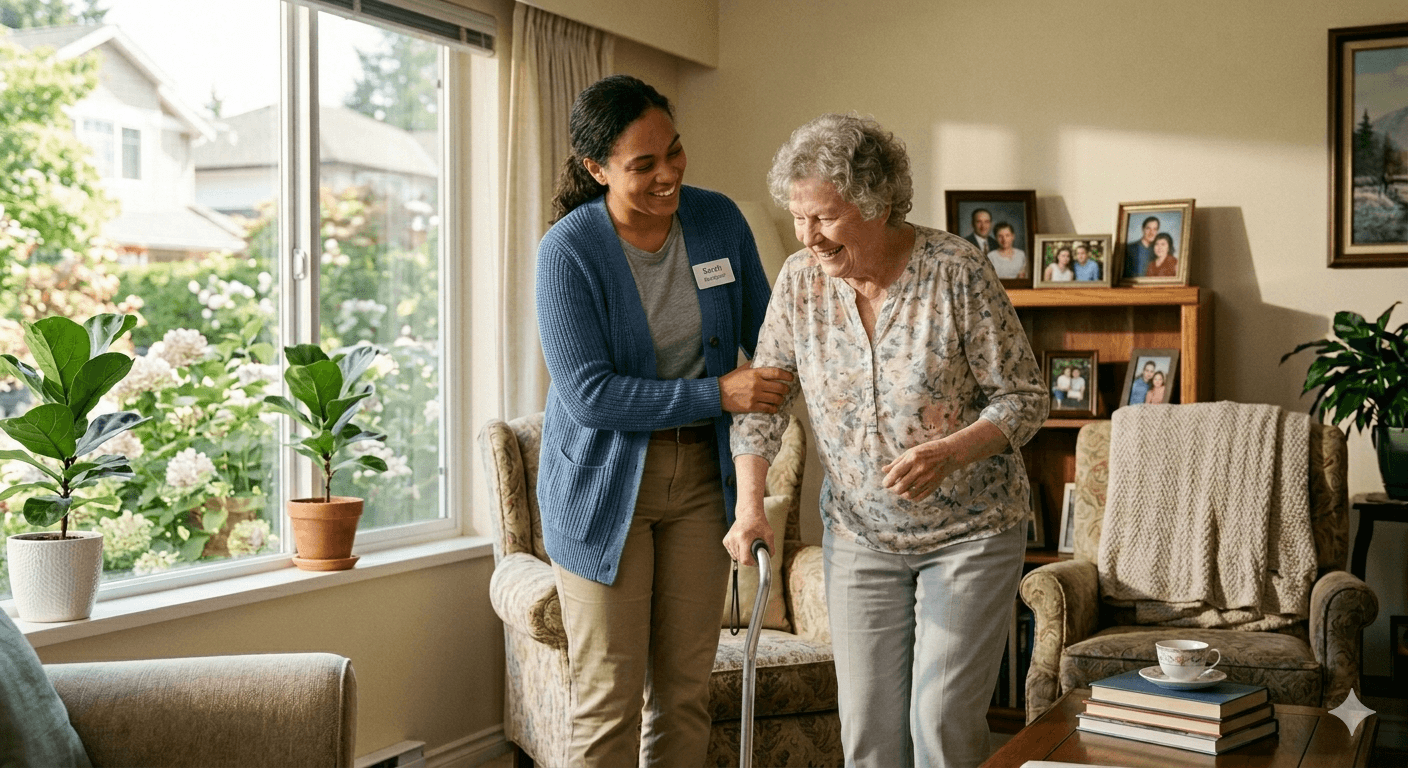
Dementia affects memory, thinking, and behavior in ways that disrupt daily life. Alzheimer’s disease accounts for most dementia cases worldwide and remains the most common form diagnosed in Singapore. As life expectancy increases, more families now manage long-term memory decline at home. This growing need explains why many households engage a dementia caregiver Singapore families trust for structured and safe support.
In 2023, there were about 74,000 persons living with dementia in Singapore, based on the second WISE (Well-being of the Singapore Elderly) Study by the Institute of Mental Health. The government estimates this number will grow to 152,000 by 2030. Memory loss becomes a concern when it interferes with routine tasks, orientation, and communication. Early signs include forgetting recent conversations and misplacing items frequently, and confusion about time or place. As the condition progresses, supervision becomes necessary to prevent injury and wandering.
Why Safety Is the First Priority in Dementia Care
Cognitive decline reduces judgment and awareness of danger. A person with dementia may forget to turn off appliances, mismanage medication, or leave home unexpectedly. These actions make it more likely that you will fall, get burned, get dehydrated, or get lost. You need to make safety plans ahead of time and change them as symptoms change.
Families often underestimate how quickly risks escalate. Even mild memory decline can lead to unsafe decisions such as opening doors to strangers or handling sharp tools carelessly. Structured supervision makes accidents less likely. When you hire a domestic helper to care for a dementia patient, you can be sure that someone is watching their daily routines and will respond right away to any dangerous behavior.
Creating a Safe Home Environment for the Elderly with Dementia Caregiver Singapore
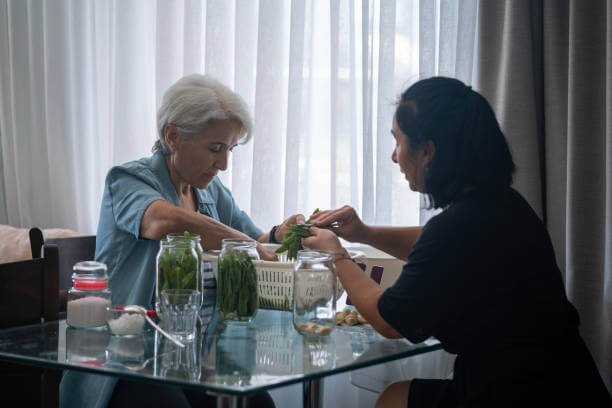
Caregiver cooking while elderly person sits safely at dining table
A safe home environment reduces accidents and supports independence. Clear and practical adjustments make daily routines safer and more predictable. You should check on every room and identify potential hazards.
Fall Prevention Measures
Falls are still one of the main reasons why older people in Singapore have to go to the hospital. Get rid of loose rugs, electrical cords, and other things that are in the way. Put grab bars in bathrooms and hallways where people need help with their balance. Make the lighting in bedrooms and hallways better, especially at night when things get more confusing. A maid for an elderly person with dementia should look for wet spots or things that get in the way on the floors every day. Making small changes can lower the risk of getting hurt and boost your confidence when you walk.
Kitchen and Fire Safety
The kitchen presents high risk due to open flames and sharp tools. Limit access to stove controls if cooking becomes unsafe. Store knives, cleaning agents, and matches in locked cabinets. Check that your smoke detectors work and test them often. A dementia caregiver hired by Singaporean families often takes care of cooking when the person's cognitive decline makes it hard for them to make decisions. Supervised kitchen use keeps people from starting fires and helps them stick to healthy meal plans.
Bathroom and Medication Safety
Bathrooms pose a slipping hazard due to wet surfaces. Install nonslip mats and secure grab bars near the toilet and shower. Reduce the water heater temperature to avoid scalding. Lock medications and use labeled pill organizers to ensure accurate dosage tracking. Overdoses and missed doses are avoided when medications are taken under supervision. Structured monitoring in these areas helps to significantly reduce emergency incidents.
Preventing Wandering and Exit Risks
Wandering is common in dementia and often increases during late afternoon or evening. A person may attempt to leave home searching for familiar places from the past. This behavior increases the risk of getting lost or injured. Therefore, you must address exit security early.
Install door chimes or alarms to notify caregivers when doors open. To reduce impulsive exits, position locks outside normal eye level. Encourage the use of identification bracelets with contact information. A dementia caregiver service in Singapore includes close supervision during the busiest times for wandering. Consistent monitoring keeps people safe and reduces stress.
The Role of a Dementia Caregiver Singapore Families Can Hire
A dementia caregiver in Singapore households engages in structured supervision and daily care for individuals with memory decline.
A trained caregiver typically supports with:
- Personal hygiene assistance
- Mobility support
- Medication reminders
- Routine management
Her presence helps:
- Reduce accident risk
- Improve daily stability
- Provide consistent supervision
She becomes a reliable source of consistency in the patient’s life.
An Alzheimer's-trained maid also understands common behavioural symptoms such as:
- Agitation
- Confusion
- Repetitive questioning
Instead of confrontation, she uses calm redirection techniques to manage these behaviours.
Additional support includes:
- Maintaining structured daily schedules
- Reducing anxiety and disorientation
- Encouraging cooperation through familiar routines
- Minimising emotional stress for the patient
Core Responsibilities of an Alzheimer’s-Trained Maid in Singapore
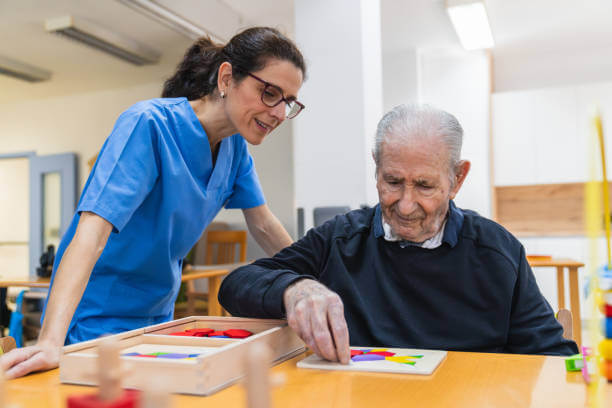
A caregiver guiding an elderly man during a cognitive activity with a puzzle board at a care center.
An Alzheimer's-trained maid Singapore families employ performs focused tasks that prioritize safety and stability.
Supervision and Safety Monitoring
She monitors movement within the home and prevents access to hazardous areas. She checks doors, kitchen appliances, and bathroom conditions daily. She observes changes in behavior or alertness that may indicate health concerns. Constant supervision reduces emergency situations and strengthens household stability.
Daily Living Support
She assists with bathing, dressing, grooming, and toileting as independence declines. She encourages participation in simple activities such as folding laundry or setting the table to maintain motor skills. She ensures safe eating posture to reduce choking risk. Structured assistance preserves dignity and routine.
Medication and Appointment Coordination
She reminds the patient to take medication at scheduled times and records adherence. She prepares medical documents and accompanies appointments when required. Clear documentation improves communication with healthcare providers. Structured coordination strengthens treatment consistency.
Behavioural and Emotional Support
Dementia often brings mood swings and agitation. A trained helper responds calmly and redirects attention toward safe tasks. She avoids arguments and maintains a steady tone and body language. Emotional stability improves cooperation and reduces household tension.
Balancing Safety and Independence
You must protect safety while encouraging independence. Allowing the patient to complete tasks with guidance preserves confidence and motor function. A domestic helper for dementia patient care should support, not replace, daily activity when possible. Structured supervision builds trust rather than dependency.
Maintain consistent meal times, sleep schedules, and activity routines. Clear and simple instructions improve understanding. Familiar surroundings and repeated routines reduce anxiety. Balanced care protects dignity while maintaining safety.
When to Hire a Maid for Elderly with Dementia
You should consider hiring a maid for the elderly with dementia when supervision becomes constant.
Common warning signs include:
- Repeated wandering
- Frequent falls
- Missed medication
- Increasing night confusion
- Behavioral changes such as aggression or paranoia
These signs indicate the need for trained supervision and structured care at home.
Another important factor is caregiver fatigue.
Providing round-the-clock supervision can affect both physical and mental health.
Hiring a dementia caregiver in Singapore helps families:
- Distribute caregiving responsibilities more evenly
- Reduce physical and emotional exhaustion
- Maintain stable long-term care at home
Early support prevents burnout and helps ensure continuity of care.
Choosing the Right Dementia Caregiver Singapore Agency
Choosing the right dementia caregiver in Singapore improves the quality and consistency of care provided at home.
When selecting an agency, look for the following:
1. Experience in Dementia and Alzheimer’s Care
Choose an agency with strong experience helping families manage dementia and Alzheimer’s patients.
2. Properly Trained Caregivers
Ensure the Alzheimer's-trained maid has training in:
- Safety supervision
- Behaviour management
- Daily dementia care support
3. Clear Care Planning Before Placement
Discuss important care expectations such as:
- Daily routines
- Safety risks
- Emergency contacts
This ensures everyone understands the care plan from the start.
When working with a reliable agency that provides proper training and ongoing support, a dementia caregiver can provide:
- Structured daily supervision
- Emotional reassurance for the patient
- Consistent long-term home care
- Stability for families managing dementia care
Frequently Asked Questions (FAQ)
Q1: What does a dementia caregiver Singapore do?
A: She provides supervision, safety monitoring, personal care, and routine management for individuals with dementia at home.
Q2: Is an Alzheimer's-trained maid Singapore medically qualified?
A: She is not a nurse, but she receives caregiving training focused on dementia behavior management and safety support. Some have prior experience in looking after patients with similar conditions before.
Q3: How does a domestic helper for dementia patients prevent wandering?
A: She monitors door access, supervises peak wandering times, and ensures identification measures remain in place.
Q4: When should I hire a maid for an elderly person with dementia?
A: Consider hiring when supervision becomes constant, falls increase, or caregiver stress becomes overwhelming.
Q5: How much does a dementia caregiver Singapore cost
A: Costs vary depending on salary, levy, and agency fees. Please check with your employment agency of choice to get the updated fee packages to hire a dementia caregiver/ helper. .
Building a Safer Future for Dementia Care
Dementia care requires planning, patience, and constant attention to safety. Structured home adjustments reduce risks while preserving dignity. A dementia caregiver Singapore families trust provides consistent supervision and daily support.
An Alzheimer's-trained maid in Singapore households engages in a vital role in protecting loved ones from harm. Through safety monitoring, routine management, and emotional support, she strengthens stability at home. When you act early and choose the right domestic helper for dementia patient care, you create a safer and more sustainable caregiving journey for your family.
Explore more with Green Employment Singapore
Green Employment is a Singapore-licensed maid employment agency committed to connecting caring, skilled domestic helpers with families and households across Singapore. We focus on ethical and sustainable recruitment practices that create positive, long-lasting relationships between employers and helpers—guided by professionalism, accountability, and compassion.
With years of experience in the domestic helper industry, our team helps you every step from consultation to placement, whether you’re hiring for the first time or need a transfer or direct hire solution. Our approach emphasizes clear communication, personalized matching based on your needs, and ongoing support throughout the employment journey.
Discover How Green Employment Can Help You Find Trusted Help:
- Free personalized consultation to understand your household needs.
- Domestic helper placements including Indonesian, Filipino, or Myanmar helpers.
- Transfer or direct hire services with compliance and documentation support.
- Post-placement support to ensure long-term satisfaction.
Contact Green Employment Pte Ltd (MOM EA Licence: 21C0720) today:
Toa Payoh Office: Blk 116 Lorong 2 Toa Payoh, #01-152, Singapore 310116.
Serangoon Office: Blk 152 Serangoon North Ave 1, #01-344, Singapore 550152
Email: This email address is being protected from spambots. You need JavaScript enabled to view it.
Phone: +658030 6663
Follow Green Employment Singapore:
- Website: https://www.greenemployment.sg/
- Contact Us : https://www.greenemployment.sg/contact-us
- Facebook: Search “Green Employment Singapore” for updates and tips!
Start your household support journey with trusted guidance and care—let Green Employment help you find the right helper for your home.
[Disclaimer by Green Employment: Above information and figures are for reference only. For the most updated and accurate information, please refer to the MOM website/ other relevant sources, or consult our recruitment consultants.]
Hiring Caregivers in Singapore for the Elderly or Disabled
In Singapore, a rapidly ageing population and an increasing number of individuals with disabilities have underscored the crucial role of caregivers. Families often find themselves in the challenging position of seeking qualified and compassionate individuals to provide essential support for their elderly loved ones or family members with disabilities. This article aims to shed light on the process of hiring caregivers in Singapore, exploring the considerations, available resources, and the importance of ensuring quality care.
Understanding the Need for Caregivers:
Singapore's demographic landscape is evolving, with a growing elderly population and an increasing prevalence of chronic illnesses and disabilities. The demand for caregivers is, therefore, on the rise as families seek professional assistance to ensure the well-being and safety of their loved ones. This need extends beyond medical care to encompass emotional support, companionship, and assistance with daily activities.
Navigating Caregiver Qualifications and Requirements:
When hiring a caregiver, it is essential to consider the specific needs of the elderly or disabled individual. Some caregivers may have specialized training in areas such as dementia care, physiotherapy, or palliative care. Checking qualifications, certifications, and relevant experience is crucial to ensuring that the caregiver can meet the unique requirements of the care recipient.
In Singapore, the Ministry of Manpower (MOM) oversees the employment of migrant domestic workers, including caregivers. Employers must comply with regulations and ensure that caregivers meet the necessary criteria, such as age, health, and training.
Engaging Agencies and Platforms:
One avenue for finding caregivers is through licensed employment agencies and online platforms. Agencies like Green Employment typically conduct background checks and facilitate the hiring process. Families can benefit from our expertise in matching caregivers with specific needs and preferences hassle free.
Online platforms, on the other hand, provide a convenient way to connect with caregivers directly. Families can review profiles, read reviews, and conduct interviews to ensure compatibility. While this approach offers more control, it requires a thorough vetting process to ensure the caregiver's reliability and competence.
Cultural Sensitivity and Communication:
Singapore is a melting pot of cultures, and it is essential to consider the cultural background and language proficiency of the caregiver. Effective communication is key to building trust and understanding between the caregiver, the care recipient, and the family. Cultural sensitivity fosters a more comfortable and harmonious caregiving environment.
Ensuring Legal Compliance:
Compliance with employment regulations is paramount to a successful caregiving arrangement. Employers must be aware of the legal requirements, including work permits, medical examinations, and the establishment of fair employment terms. Adhering to these regulations not only ensures the caregiver's well-being but also protects the employer from legal complications.
Conclusion:
Hiring caregivers in Singapore for the elderly or disabled involves a thoughtful and comprehensive approach. Families must consider the unique needs of their loved ones, engage with reputable agencies or platforms, prioritize effective communication, and ensure legal compliance. By navigating this process with diligence and compassion, families can provide their elderly or disabled family members with the support and care they deserve, fostering a nurturing and enriching environment for all involved.
At Green Employment, our commitment to compassionate caregiver solutions in Singapore is unwavering. We recognize that each family's journey is unique, and our personalized approach ensures that your loved ones receive the care they deserve. By addressing specific needs, engaging with our reputable agency, prioritizing effective communication, and ensuring legal compliance, your family can entrust the care of your loved ones to Green Employment.
Cultivating ‘Love & Compassion’ in Domestic Employment: A Call for Empathy in Domestic Worker/ Caregiver Relationships
In recent times, concerns have been raised about the working conditions of domestic workers/ caregivers in Singapore, shedding light on issues such as overwork, verbal abuse, salary problems and etc from employer’s end, and stealing, abusive behavior, runaway & etc from helper’s end.
At Green Employment, we not only acknowledge these concerns but also advocate and promote the values of ‘Love & Compassion’ in the employment relationship, particularly for families employing domestic helper/ caregivers, and vice versa, for candidates looking to work as domestic workers/ caregivers here. We firmly believe that fostering a culture of empathy and understanding is not just a moral imperative but also essential for creating a healthy and harmonious work environment.
Why ‘Love & Compassion’ Matters:
Human Dignity and Well-being:
Every individual, regardless of their employment status, deserves to be treated with dignity and respect. ‘Love & Compassion’ form the foundation of recognizing the inherent worth of each person, ensuring their well-being is prioritized.
Mitigating Forced Labor Indicators:
There were concerns that some complaints from domestic workers/ caregivers may indicate forced labor situations. By promoting ‘Love & Compassion,’ employers can actively work towards mitigating these indicators, creating a supportive and fair working environment.
Commitment to Conscious Employment:
‘Love & Compassion’ require conscious efforts from all parties involved in the employment relationship. Employers, candidates, and employment agents should commit to nurturing these values, fostering an atmosphere where understanding and open communication prevail.
How to Nurture ‘Love & Compassion’:
Clear Communication:
Establish open channels of communication between employers and domestic workers/ caregivers. Encourage them to voice their concerns, ideas, and feedback, creating a collaborative and inclusive environment.
Fair Working Conditions:
Ensure that working hours and conditions are fair and in compliance with labor laws. ‘Love & Compassion’ extend to providing a safe and conducive workplace that promotes physical and mental well-being.
Recognition and Appreciation:
Acknowledge the contributions of domestic workers/ caregivers and express appreciation for their efforts. Small gestures, words of gratitude, and recognition can go a long way in creating a positive and respectful work atmosphere.
Training and Skill Development:
Invest in the training and skill development of domestic workers/ caregivers, empowering them to enhance their capabilities. This not only benefits the worker but also adds value to the employer-helper relationship.
Conclusion:
At Green Employment, we strongly advocate for the promotion of ‘Love & Compassion’ in the employment relationship, especially in households that employ domestic helper/ caregiver. By fostering these values, we believe we can contribute to a work environment that respects the dignity of every individual and actively works towards eliminating the risk of forced labor. Through conscious commitment and efforts from all parties involved, we can create a harmonious and mutually beneficial employment relationship. Let’s strive for workplaces where love, compassion, and understanding are at the core of every interaction.
12 Common Challenging Domestic Helper/ Caregiver/ Maid Problems And How To Manage Them
Finding migrant domestic workers/ caregivers in Singapore is more accessible than ever, thanks to various agencies and government support. However, the real test begins once you've welcomed a stranger into your home to help with domestic tasks. Whether you're a seasoned employer of migrant domestic workers/ caregivers or hiring assistance for the first time, conflicts are inevitable when sharing living spaces.
As an employer, your role is to address and manage these issues effectively. Anticipating potential problems early on provides you with a better understanding of how to handle various challenges relating to domestic helpers/ caregivers/ maids in Singapore.
We Will Be Addressing 12 Common Issues with Domestic Helpers/ Caregivers/ Maids In Singapore
-
Honesty Matters:
Dishonesty can be a common issue within a household, stemming from cultural differences or honest mistakes. Patience is key, and as an employer, it's crucial to encourage open communication and clarity in instructions. Persistent dishonesty may necessitate involvement from the maid agency.
-
Culture Shock:
Migrant domestic workers/ caregivers may experience difficulty settling in due to cultural shock, regardless of their experience. Establishing a connection with the maid, explaining household routines, and setting clear expectations can aid their assimilation.
-
Tackling Bad Habits:
Addressing personal habits that may clash with your household's values requires a diplomatic conversation. Communicate respectfully about issues such as table manners and personal hygiene.
-
Phone Usage Policies:
Establish clear rules regarding gadget usage, especially during work hours. Define acceptable usage limits and encourage phone use during designated break times.
-
Efficiency in Chores:
Provide reasonable tasks and monitor their progress. Open communication ensures that both employer and maid understand expectations, fostering a productive working relationship.
-
Respecting Boundaries:
Ensure that domestic helper/ caregivers treat elderly family members with the respect ingrained in Singaporean culture. Address any lapses in behavior promptly.
-
Initiative Matters:
Encourage maids to take initiative in performing tasks without constant instruction. Positive reinforcement for a job well done fosters trust and confidence.
-
Emotional Well-being:
Recognize that maids may face personal challenges, impacting their job performance. Offer support, encourage open communication, and advise them to prioritize their mental well-being.
-
Handling Pregnancy:
If a maid becomes pregnant during the contract, navigate the situation following Singaporean labor laws. Seek guidance from the maid agency for appropriate solutions.
-
Keeping too many secrets:
Foster an environment where maids feel comfortable sharing information without fear of reprisal. Address any concerns promptly and assure them that their honesty is valued.
-
Admitting Mistakes without hiding the truth:
Establish a culture where maids feel safe admitting mistakes. Regular communication helps in addressing issues promptly and finding solutions collaboratively.
-
Not taking breaks:
Emphasize the importance of taking scheduled rest for the well-being of the helper/ caregiver/ maid. If they refuse to use it for various reasons, such as trying to impress you or they want to finish their tasks ahead of time, ask them to prioritize their health, encouraging a healthy work-life balance.
In Conclusion
Employing domestic helper/ caregivers is a common practice in Singapore to manage house chores or as caregivers to children or elderly members of the family, but preparing for potential challenges is essential. By addressing issues proactively and maintaining open communication, you can foster a positive and productive relationship with your domestic helper/ caregiver. It will also be easier with the help of a professional maid agency, like Green Employment, that can make the process smoother and hassle free.
Avoiding Legal Pitfalls: The Importance of Professional Guidance When Hiring a Domestic Helper/ Caregiver/ Maid in Singapore
Hiring a maid in Singapore involves a series of crucial steps, and among the most significant is navigating the complexities of work permits. In this blog, we'll shed light on common pitfalls employers often encounter in handling work permits for caregivers/ maids and emphasize the benefits of seeking professional guidance, particularly from a reputable agency like Green Employment.
Documentation Errors: The Risk of Incomplete or Inaccurate Paperwork
Navigating the maze of paperwork required for work permits can be daunting. Incomplete or inaccurate documentation may result in delays or rejections. A reputable agency brings its expertise to the table, ensuring that all necessary paperwork is handled accurately and efficiently.
Untimely Application Submissions: The Impact on Hiring Timelines
Procrastination in submitting work permit applications can lead to unnecessary delays in the hiring process. A professional agency understands the importance of timely submissions, expediting the approval process and allowing employers to integrate domestic helpers/ caregivers/ maids seamlessly into their households.
Salary Declaration Challenges: Navigating Compliance Standards
Accurate salary declaration is crucial for work permit compliance. Employers may face challenges in understanding and adhering to the regulations. An experienced agency provides valuable assistance in navigating salary declaration, ensuring compliance and fostering transparent employer-helper relationships.
Inadequate Insurance Coverage: Ensuring Comprehensive Protection
Comprehensive insurance coverage is vital for the protection of helpers/ caregivers. Employers may struggle to identify suitable insurance plans. A trusted agency guides employers in selecting the right coverage, providing peace of mind in unforeseen circumstances.
Levy Payment Pitfalls: Navigating the Financial Landscape
Understanding and managing levy payments can be challenging for employers. Agencies equipped with financial expertise provide insight, ensuring compliance with levy regulations and facilitating a seamless financial aspect of the employer-helper relationship.
Health Compliance: Ensuring Wellness and Adherence to Regulations
Comprehensive health checks and medical examinations are critical for work permit approval. Employers may find it challenging to navigate health compliance standards. A reputable agency guides employers through the process, ensuring the well-being of helpers/ caregivers and compliance with regulations. Green Employment offers Maid Post Deployment Services.
Adherence to MOM Guidelines: Staying Informed with Professional Support
Staying informed and compliant with Ministry of Manpower (MOM) regulations is essential. Employers may struggle to keep up with evolving guidelines. An agency with up-to-date knowledge assists employers in adhering to MOM regulations, mitigating legal risks and fostering a compliant working environment.
Contingency Planning: Navigating Challenges with Professional Support
In the dynamic landscape of work permits, unexpected challenges may arise. Employers may find it challenging to formulate effective contingency plans. A reputable agency plays a pivotal role in contingency planning, offering professional support to navigate and overcome any issues that may arise during the work permit tenure.
In conclusion
The legal landscape surrounding work permits for domestic helpers/ caregivers in Singapore is intricate and demands careful navigation. Avoiding common legal pitfalls is not just a matter of choice but a strategic decision to ensure a stress-free and compliant hiring experience. As employers, you can benefit significantly from the expertise of a professional agency, such as Green Employment, to navigate the complexities seamlessly. Partner with us for peace of mind, transparency, and a legally sound journey in hiring your helper/ caregiver. Choose professional guidance for a seamless and enriching experience.
10 Essential Qualities to Look for a Domestic Helper or Caregiver in Singapore
Hiring maids in Singapore is a significant decision that involves entrusting someone with the well-being of your home and family. To ensure a harmonious and productive partnership, it's crucial to carefully evaluate the qualities and skills of potential candidates. In this comprehensive guide, we'll delve into the 10 essential qualities that you should prioritize when searching for the matching domestic helper/ caregiver in Singapore.
1. Reliability
A reliable domestic helper/ caregiver is the cornerstone of a well-functioning household. Seek individuals with a proven track record of punctuality, consistency, and a commitment to their responsibilities. A dependable helper/ caregiver ensures that your daily routines run smoothly and without disruptions.
2. Trustworthiness
Trust is paramount when inviting someone into your home. Look for domestic helper/ caregiver with a trustworthy demeanor. Honesty and integrity are vital qualities that contribute to a secure and trusting relationship between you and your helper/ caregiver.
3. Communication Skills
Effective communication is the key to a successful working relationship. Look for domestic helper/ caregivers who can articulate themselves well in English or a language you are comfortable with. Clear communication ensures that instructions are understood, fostering a positive and efficient environment.
4. Adaptability
Homes and families have unique dynamics, and a domestic helper/ caregiver's ability to adapt is invaluable. Seek candidates who can adjust to different situations, tasks, and family preferences. An adaptable helper/ caregiver ensures flexibility and contributes to the overall harmony of your household.
5. Initiative
A proactive domestic helper/ caregiver can make a substantial difference in the efficiency of your household. Look for candidates who show initiative and can take on responsibilities without constant supervision. A helper/ caregiver who anticipates needs and takes proactive steps enhances the overall productivity of your home.
6. Empathy and Compassion
Domestic helper/ caregivers often work closely with families, necessitating a genuine sense of empathy and compassion. Seek individuals who demonstrate care and concern for the well-being of your family members. A compassionate helper/ caregiver contributes to a nurturing and supportive home environment.
7. Organization Skills
Managing a household requires meticulous planning, making organizational skills a crucial quality. Look for domestic helper/ caregivers who excel in managing tasks, schedules, and household chores efficiently. An organized helper/ caregiver contributes to a well-structured and smoothly-operating home.
8. Patience
Patience is a virtue, especially in a domestic setting where challenges may arise. Look for domestic helper/ caregivers who can handle challenging situations with composure and patience. A patient helper/ caregiver contributes to a calm and harmonious atmosphere within your home.
9. Honesty
Honest communication builds trust, and transparency is essential in any working relationship. Seek domestic helper/ caregivers who are open and honest about their capabilities, experiences, and any challenges they may face in their roles. An honest helper/ caregiver fosters a relationship built on mutual understanding.
10. Respect for Cultural Differences
Singapore is a diverse society, and domestic helper/ caregivers may come from various cultural backgrounds. Look for candidates who demonstrate respect for cultural differences, promoting an inclusive and harmonious home environment. A culturally sensitive helper/ caregiver contributes to a welcoming and accepting atmosphere within your household.
Conclusion
When hiring a domestic helper/ caregiver in Singapore, the emphasis should go beyond just professional skills. Prioritizing these 10 essential qualities ensures that you not only meet your household needs but also establish a lasting and trusting relationship with a domestic helper/ caregiver who becomes a valuable and cherished member of your family. Having said that, no helper/ caregiver is perfect, employers are encouraged and advised to be patient and understanding while training the candidates and let them adapt into their households smoothly with minimal conflicts.
Contact Green Employment if you are looking for a reputable maid agency in Singapore. We provide Free Maids Employment Consultation service to fully understand your requirements to address all aspects of your maid-related matters. Our team of professionals offers expert guidance and recommendations based on our extensive knowledge and experience as a top maid agency in Singapore.